
.jpg)
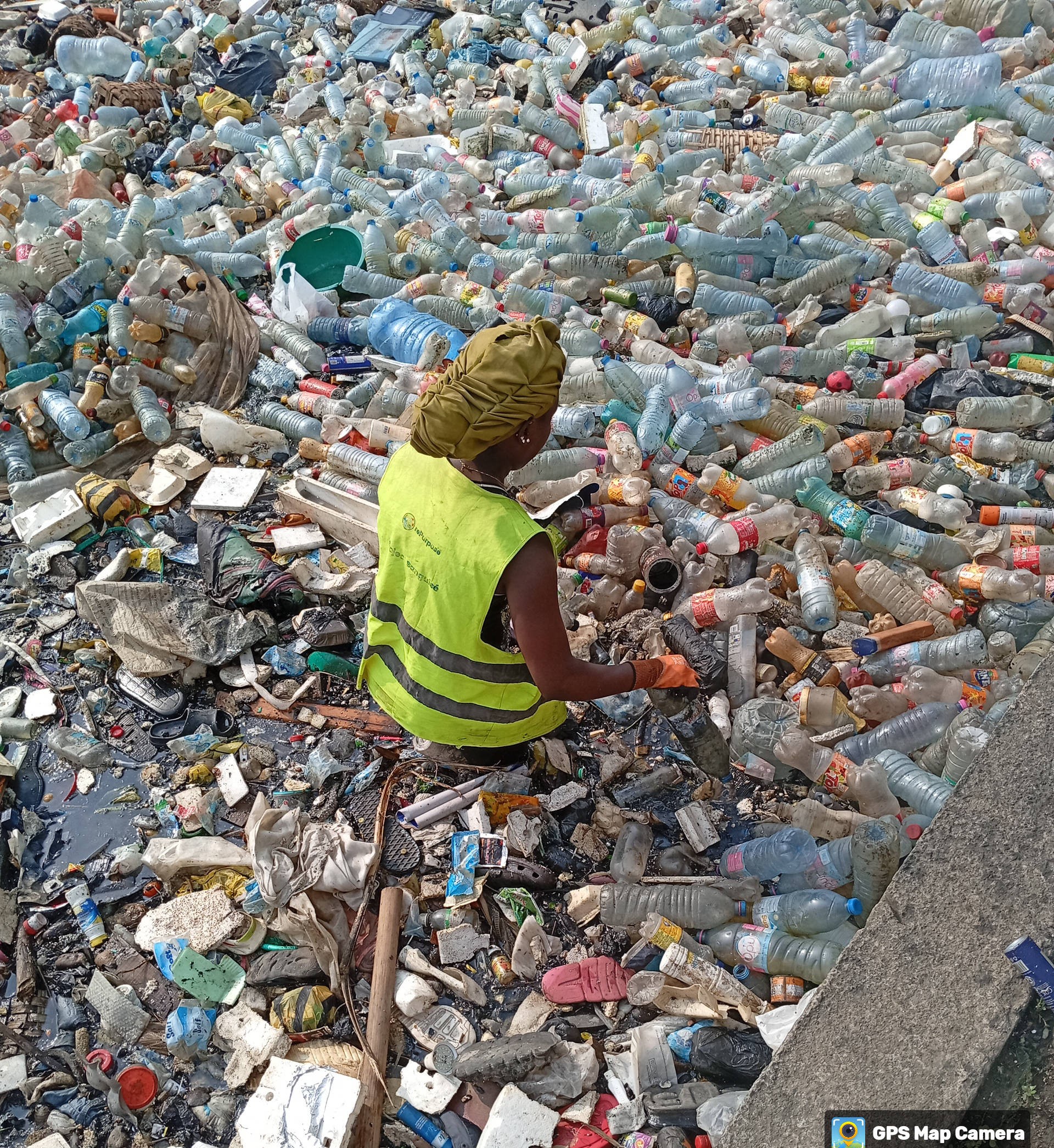
Adibon, a waste collector in Douala, starts her day early. No gloves, thigh-deep in water, sack in hand, pulling out the plastic bottles that clogged the drains overnight. What she collects today decides whether her family eats.
A few streets over, a shopkeeper is stacking crates of bottled water outside his kiosk. By noon, most of it will be sold. For thousands of households across the city, that water isn't a convenience; it's the only supply they trust.
Two people, two mornings, one bottle connecting them. That connection is the story of Project Sanguisé.
Douala's Water Infrastructure Gap
Douala is Cameroon's economic center, and it's straining under the weight of its own growth. Safe water is the clearest example. The public utility loses an estimated 30–40% of treated water to leaks and aging pipes, and only around 40% of residents can count on a dependable piped supply.
Bottled water filled the gap left by the system. Today, it's estimated that roughly 70% of urban households rely on it not as a lifestyle choice but because the piped supply can't be trusted to show up.
That's a rational response to a growing problem. It's also the start of a new one
Where the Bottles Go When the System Ends
Douala doesn't have a formal, city-wide waste collection network built to handle this volume of PET. So the bottles pile up in drains, in gutters, in low-lying neighborhoods that flood every rainy season.
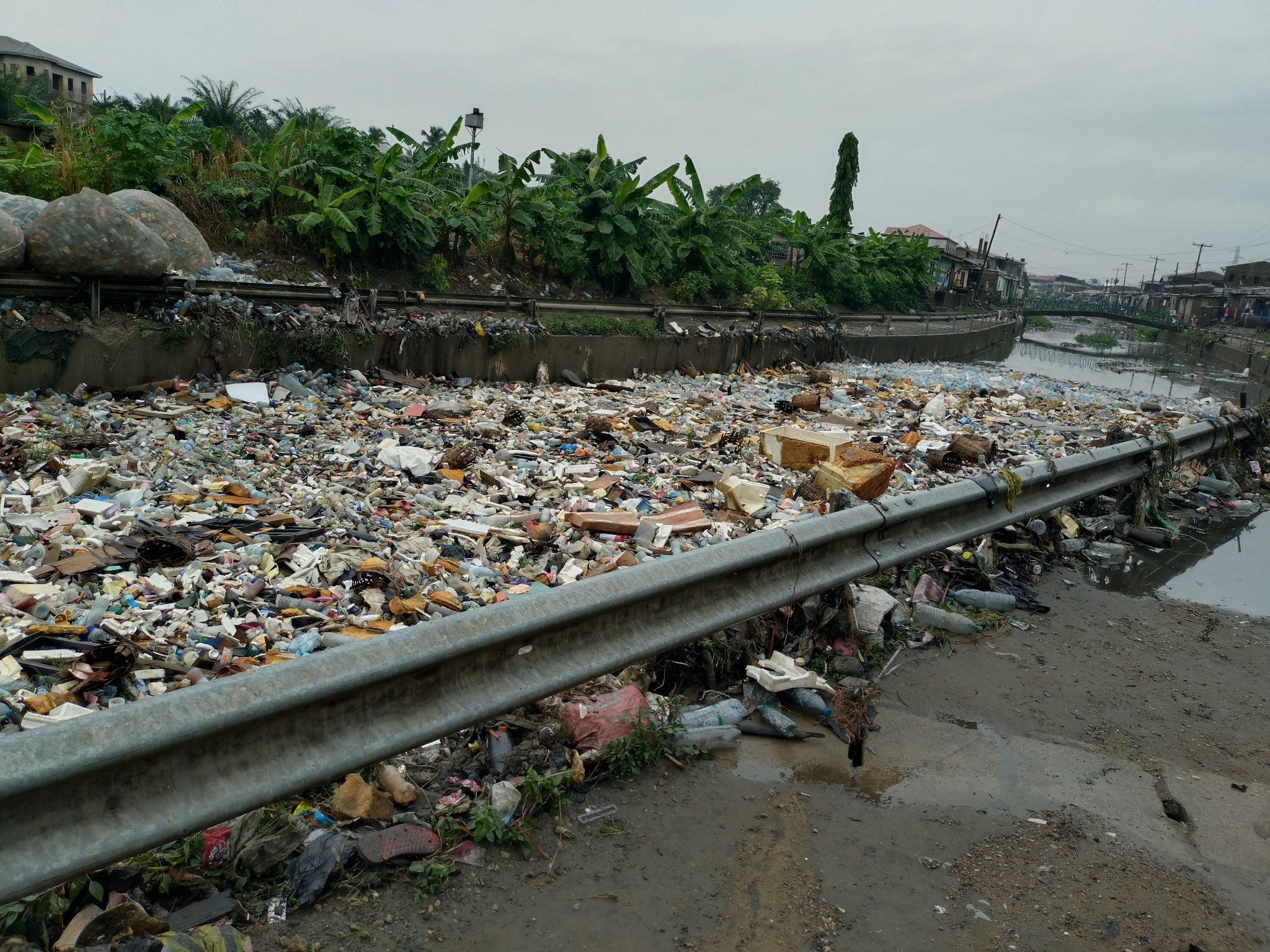
The knock-on effects compound fast:
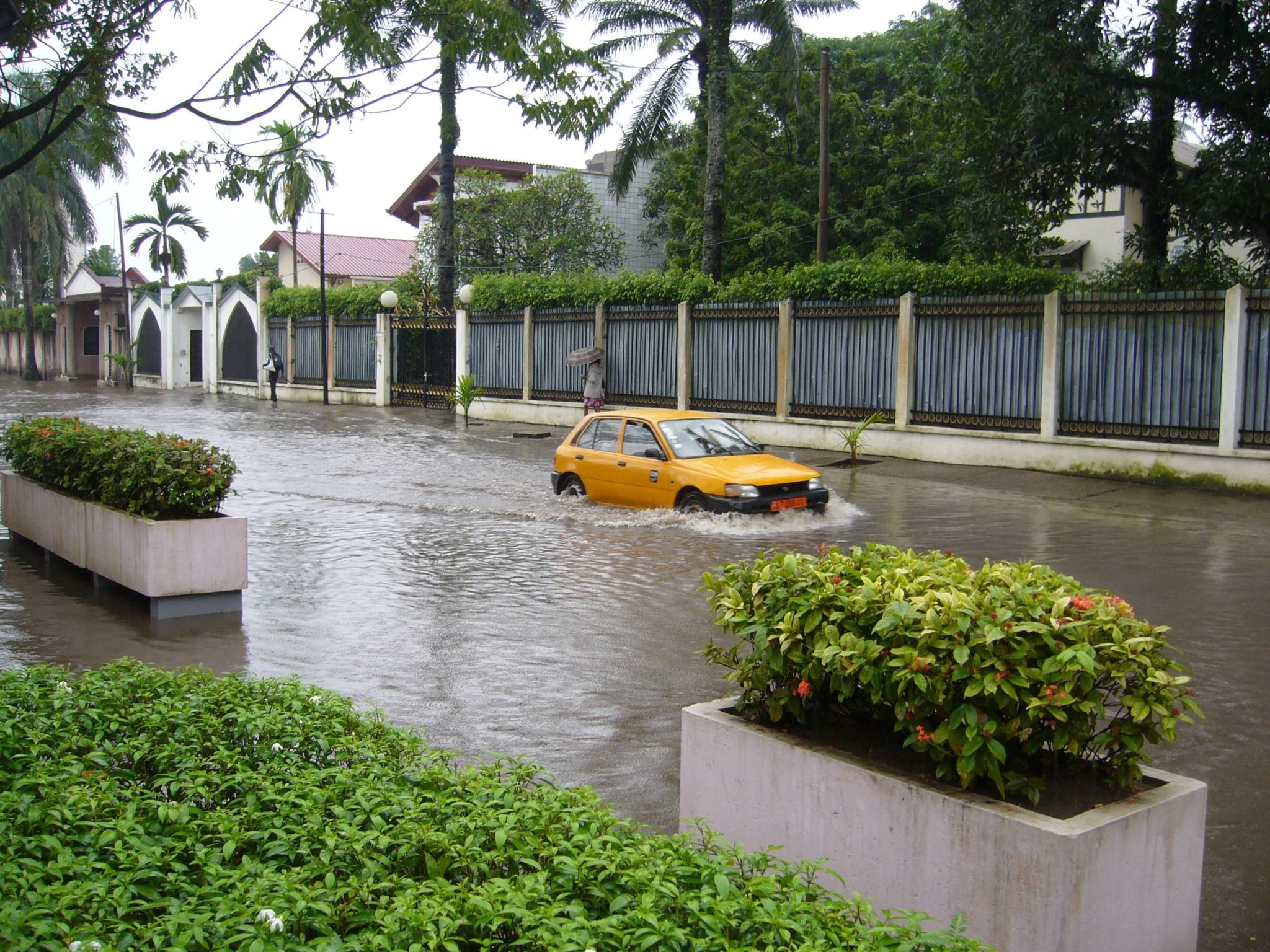
- Flooding gets worse when plastic blocks drainage during heavy rain.
- Malaria and cholera find breeding ground in the stagnant water left behind.
- The Wouri estuary, a biodiversity zone that supports fisheries for nearly 40% of the population, absorbs what the drains don't capture.
A solution to water insecurity has quietly become a driver of flood risk and public health exposure. Nobody planned it that way; it's just what happens when consumption scales faster than infrastructure.
The Collectors Already Holding the Line
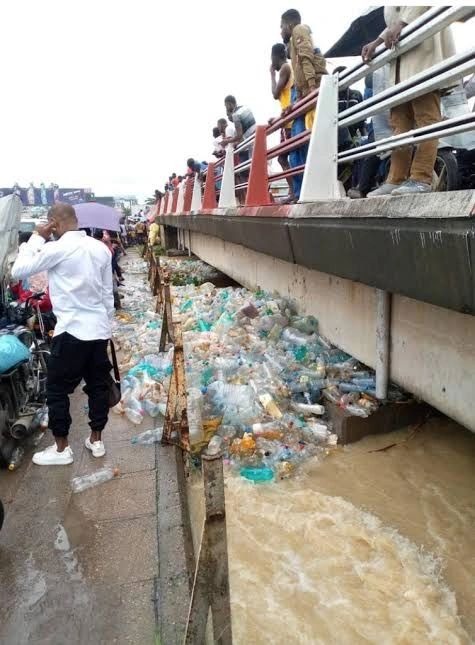
That infrastructure gap isn't actually empty. It's informally filled by hundreds of workers like Adibon, who intercept plastic before it ever reaches the drains and waterways described in the previous section. They're doing the job a formal collection system doesn't exist to do, and they're doing it without the things that job should come with: safety equipment, predictable pay, training, or any recognition that the work matters.
Take them out of the picture, and the flooding, the disease risk, the estuary pollution, all of it gets worse. So the fix is to formalize the system that's already absorbing the shock: fair pay, real protections, and the structure this workforce has never had.
Project Sanguisé: Turning a Grassroots System Into an Economy
That's what Project Sanguisé is for, and it exists because more than 300 brands already fund plastic recovery projects like this one through rePurpose Global. Through the partnership between rePurpose Global, brands, and an Impact partner, a grassroots, fragmented collection network is becoming something coordinated, traceable, and financially self-sustaining, built around four things:
- Fair, dignified livelihoods for collectors, through stable pricing and hands-on training.
- Targeted recovery of high-leakage PET, at both the source and the points where it escapes.
- Revenue that doesn't depend on donors forever — the model is built to pay for itself over time.
- Full traceability, with every kilogram tracked digitally from collection to processing.
Building the Backbone: The NAMé Box Network
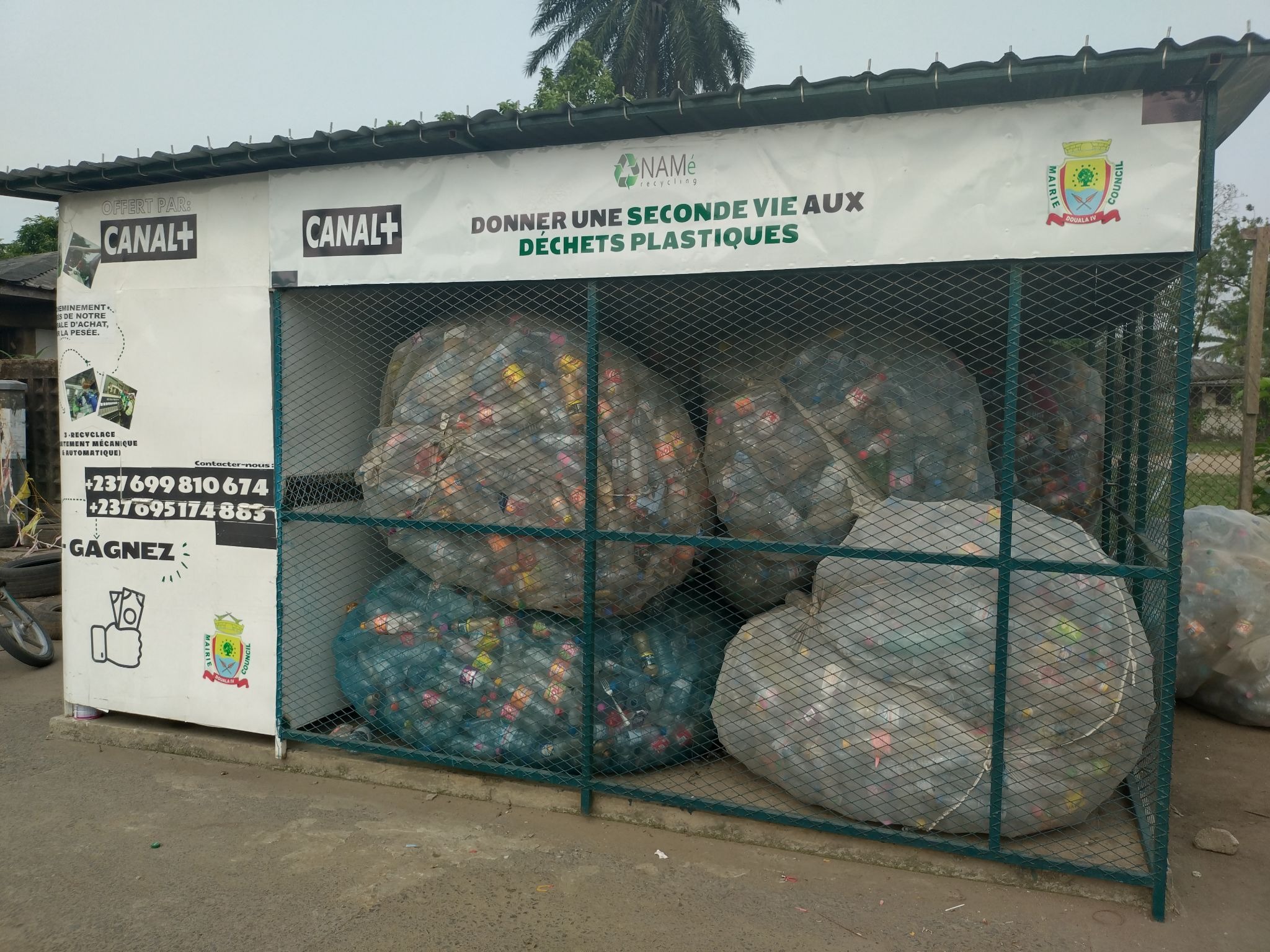
At the center of this model is a decentralized collection infrastructure: the NAMé Box.
These localized buy-back points serve as both economic and logistical anchors:
- Access: Positioned within communities, they reduce distance and cost barriers for collectors.
- Aggregation: Waste is consolidated efficiently before transport to processing facilities.
- Income Visibility: They create reliable, predictable points where waste is exchanged for income.
What was an invisible hustle in a canal becomes a visible, repeatable micro-economy.
From Bottle to Business
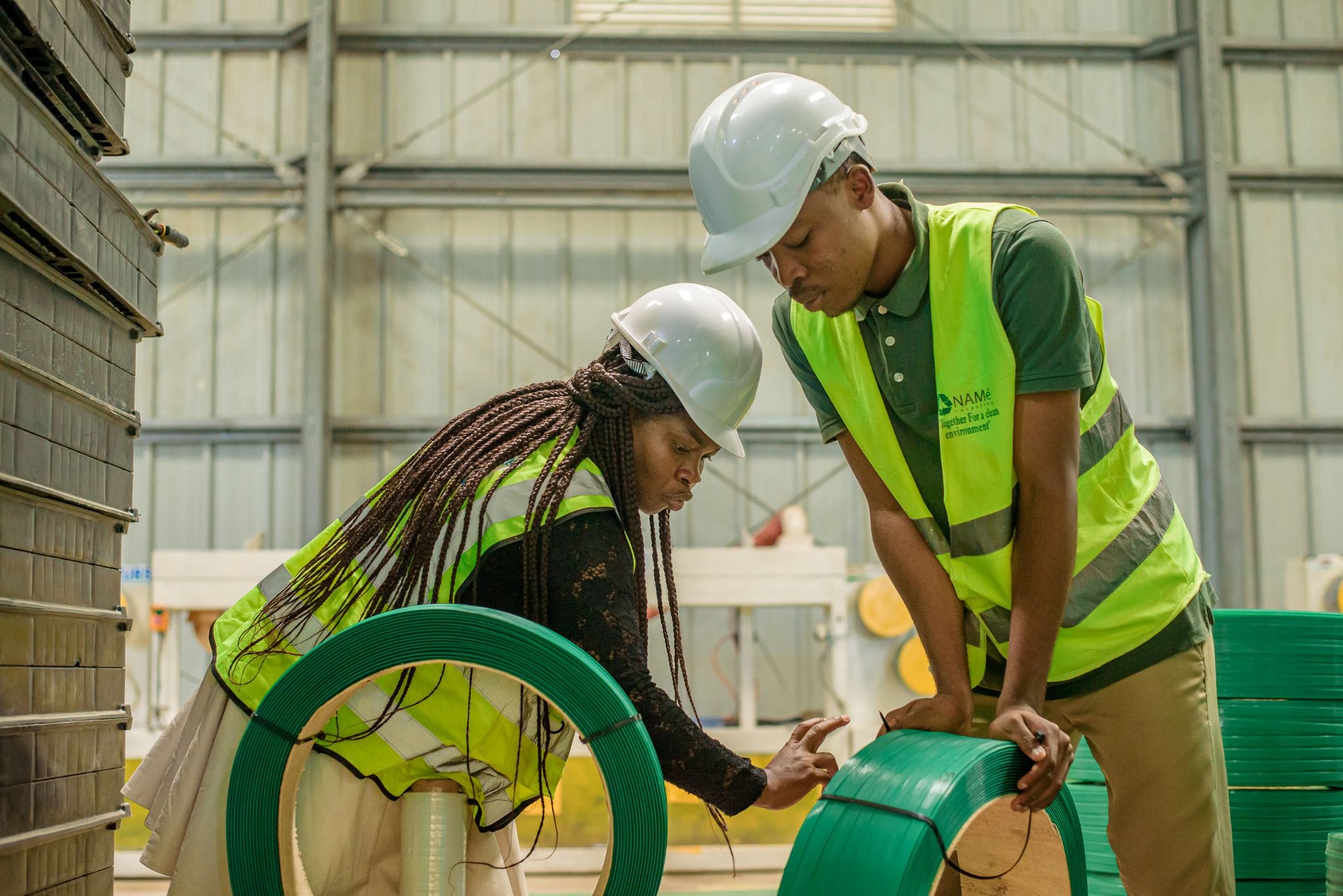
Collection is only half the loop. At Project Sanguisè, the recovered PET is processed into industrial-grade plastic straps and recyclable flakes for manufacturers; anything beyond their own capacity goes to vetted recycling partners, so none of it re-enters the environment. The plastic that used to flood a neighborhood now has a buyer.
Training the Workforce Behind the System
Infrastructure doesn't hold without people who trust it. In 2025, 25 waste collectors underwent training covering
- their rights and protections against child and forced labor
- health and safety practices for the job
- the basics of fair business practices across the value chain, and
- a formal process for raising disputes.
It's a small number today. It's also the difference between grassroots labor and a workforce with something to build a future on.
What 600 Tons a Year Actually Means
Project Sanguisé is scaling up to recover 600 tons (~1.3 million lbs) of plastic annually in Douala.
Each additional ton recovered represents:
- Plastic prevented from entering waterways
- Income generated within vulnerable communities
- Pressure relieved from failing urban infrastructure
The informal system in Douala is already active — it doesn't need to be invented. What it needs is capital and coordination to formalize what's already working at the margins.
When the system works, the outcomes are interconnected:
- Fewer plastics in drainage systems → reduced flooding risk
- Reduced flooding → improved public health outcomes
- Stable income for collectors → stronger local economies
- Verified recycling → credible environmental impact for partners
Two Paths for a Bottle
A plastic bottle in Douala can end its life two ways: clogging a drain and flooding a street, or moving through a system that tracks it, pays someone fairly for collecting it, and turns it back into material someone else can use.
Project Sanguisé is building the infrastructure to make the second path the default — not the exception. The system already works. The only question left is how fast it scales.
Why This Is the Moment for Brands to Fund It
Douala's system is past the pilot stage — buy-back points are running, collectors are trained, and processing is already underway.
Brands funding the rePurpose project are backing infrastructure that already moves plastic out of waterways, coastlines, and income into households, with every kilogram tracked back to its source.
That traceability is what makes a plastic recovery claim credible and defensible: every ton is tracked from collector to buy-back point to processing to end use. No guesswork, no certificate taken on faith.
Talk to our team to learn how your brand can claim verified plastic recovery and boost goodwill through rePurpose projects like Sanguisé. Book a call with our team →
Related posts
.avif)

.avif)
.avif)