Context:
For brands investing in verified plastic recovery, credibility matters.
Where does the plastic go? Who benefits? What changes long-term?
On Colombia’s remote Pacific coast, we’ve been working alongside our partners to build something far bigger than collection. Over multiple visits, we’ve seen this project evolve from a modest shed with a baler to a growing circular infrastructure hub.
During Vinay’s and my recent visit, we documented that progress firsthand.
What we witnessed wasn’t just recovery in action but the steady build of systems, livelihoods, and long-term infrastructure. A reminder that sustained partnerships not one-off cleanups are what turn environmental intent into durable change.
“No problems, Only Plans & Action”
That is the kind of energy required to solve plastic pollution in one of the most remote location we visited. This stretch of Colombia’s 1000km Pacific Coastline consists of mangroves, beaches and one of the world’s whale nurseries. It is also one of the country's poorest regions.
Jorge, owner of Fundación Maguipi, bought a remote and defunct property in 2006. This region is torn by poverty, law and order issues, one might wonder “why?”
Because of the beauty of the place! Because Jorge believed in its potential.
And because he wanted to showcase the Eden del Pacifico to the world.
Today, the same coastline is home to the rePurpose project Paraíso de Ballenas, the plastic recovery project we run here with Fundación Maguipi.
So that's how we arrived to Hotel Maguipi
Getting there: Where Infrastructure Ends
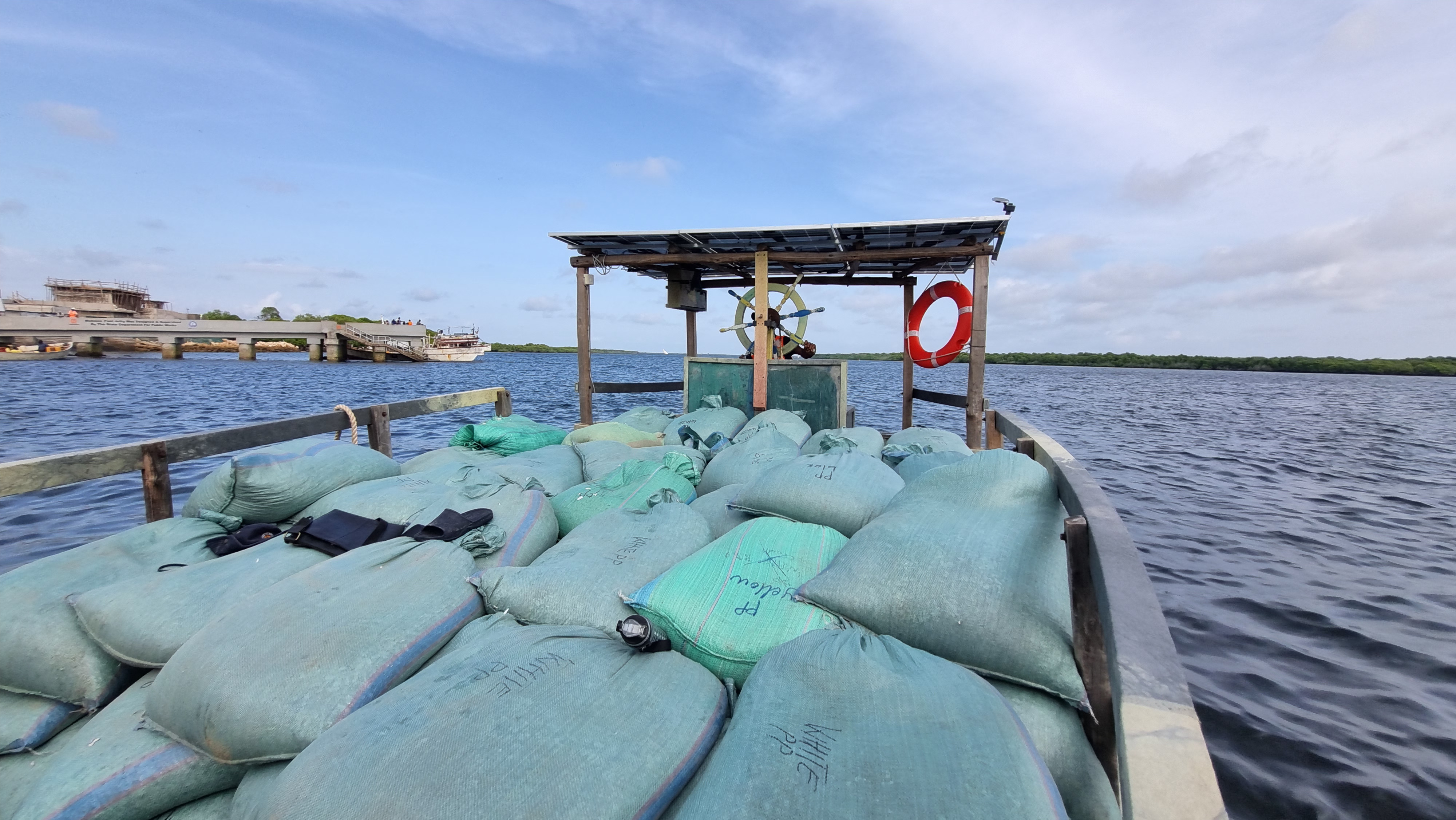
Despite not being an island, the communities across Colombia’s 1000 km pacific coastline have limited road connectivity and minimal airport access. Most travel happens by boat.
To reach Maguipi, we fly into Cali and ride to Buenaventura - one of Colombia’s largest ports- then take a 30-minute boat ride along the coast.
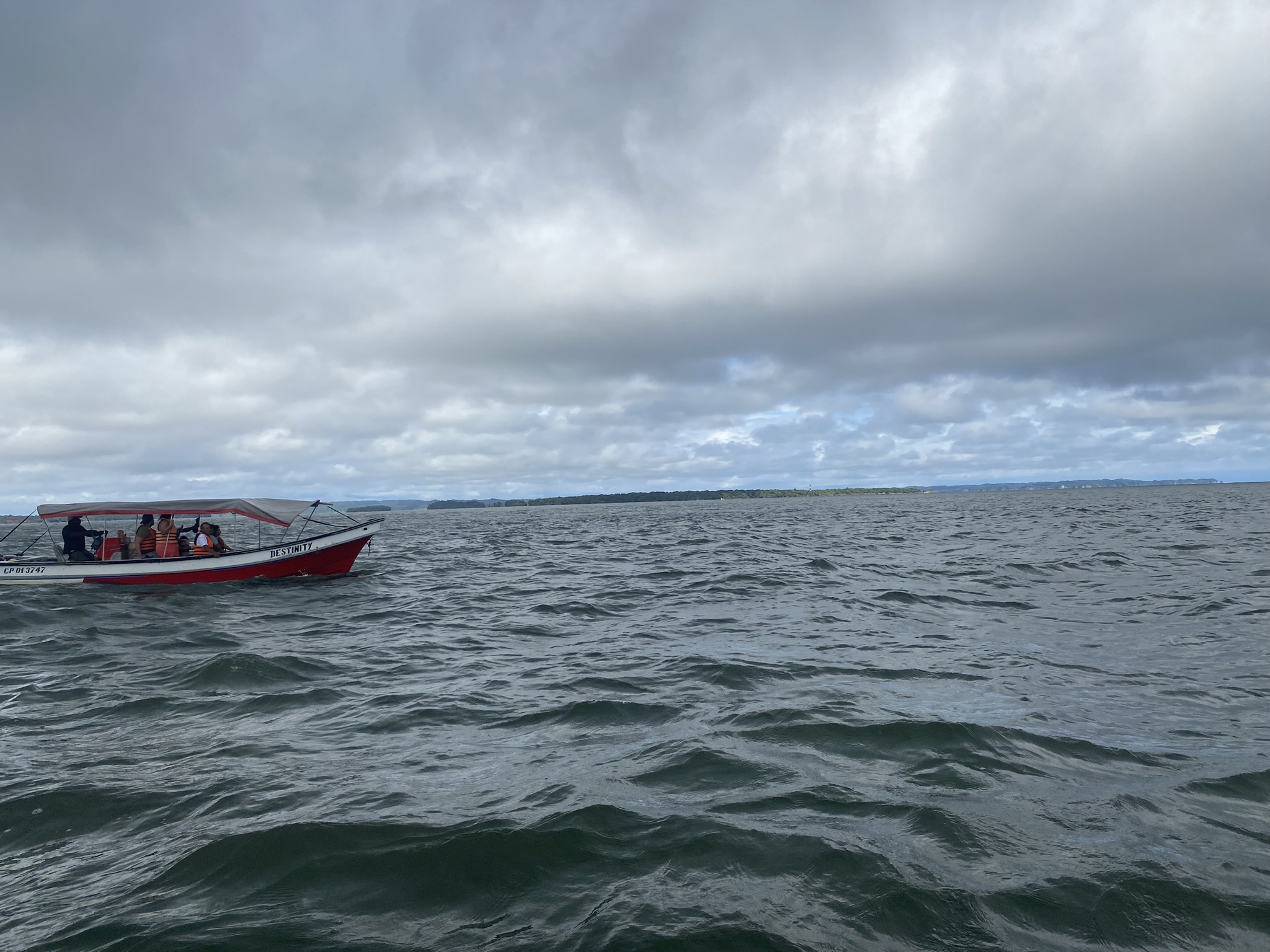
We boarded a boat with 25 others, including a group of women excited for a whale watching season. And, as we started, we knew we had embarked on an adventure.
As we crossed the bay, plastic waste was visible in the water. Even tourists remarked on it — a painful contrast to the surrounding beauty.
When we finally reached Maguipi beach, the tide was low. The boat couldn’t dock. Our options were simple: return, or step into waist-deep water.
We stepped in — laptops and bags held overhead.
We are still processing one of the most adventurous ways to reach a destination, And just beyond the shore we saw an amazing scene: A Material Recovery Facility (MRF) and plastic waste processing facility - accessible only by boats.
The Plastic Waste Challenge on Colombia’s Pacific Coast
Buenaventura is one of the largest ports of Colombia and yet is torn by local organized crime and cartels. Formal waste management infrastructure is minimal. Local government systems are limited. Many communities rely on rainwater springs.
For years, residents had few options: dump waste on land, burn it, and let it wash into rivers. Plastic leakage into the Pacific Ocean became inevitable.
This is the context in which we are building infrastructure.
Starting Is The Hardest : Building the Material Recovery Facility
When we first visited the MRF two years ago, it was a small shed with a compacting machine. Fundación Maguipi had already begun some community work- encouraging residents to not dump waste in the ocean or burn. But with inconsistent funding and poor connectivity, collection efforts were irregular.
However as the project stabilized, rePurpose offered an annual offtake contract to recover plastic and an assurance that with good performance this can become a multi-year partnership.
Jorge, who is a man of action and faith, took a chance seeing this as a sign to solve his biggest problem. With long-term demand in place, Jorge made a bold decision. He secured a loan to install washing systems, shredding and agglutination equipment, extrusion machinery and civil works upgrade.
This has already shown results as they stabilize the ops in the recently launched facility. The facility now has a processing capacity of 1000 kg/ day.
By processing the plastic on-site, the team has doubled the market value of the recovered plastic - turning what was once low-value waste into a viable, revenue-generating resource.
Operations are stabilizing further to start producing plastic lumber - which will be used to build community infrastructure, local collection centers and houses for the local residents.
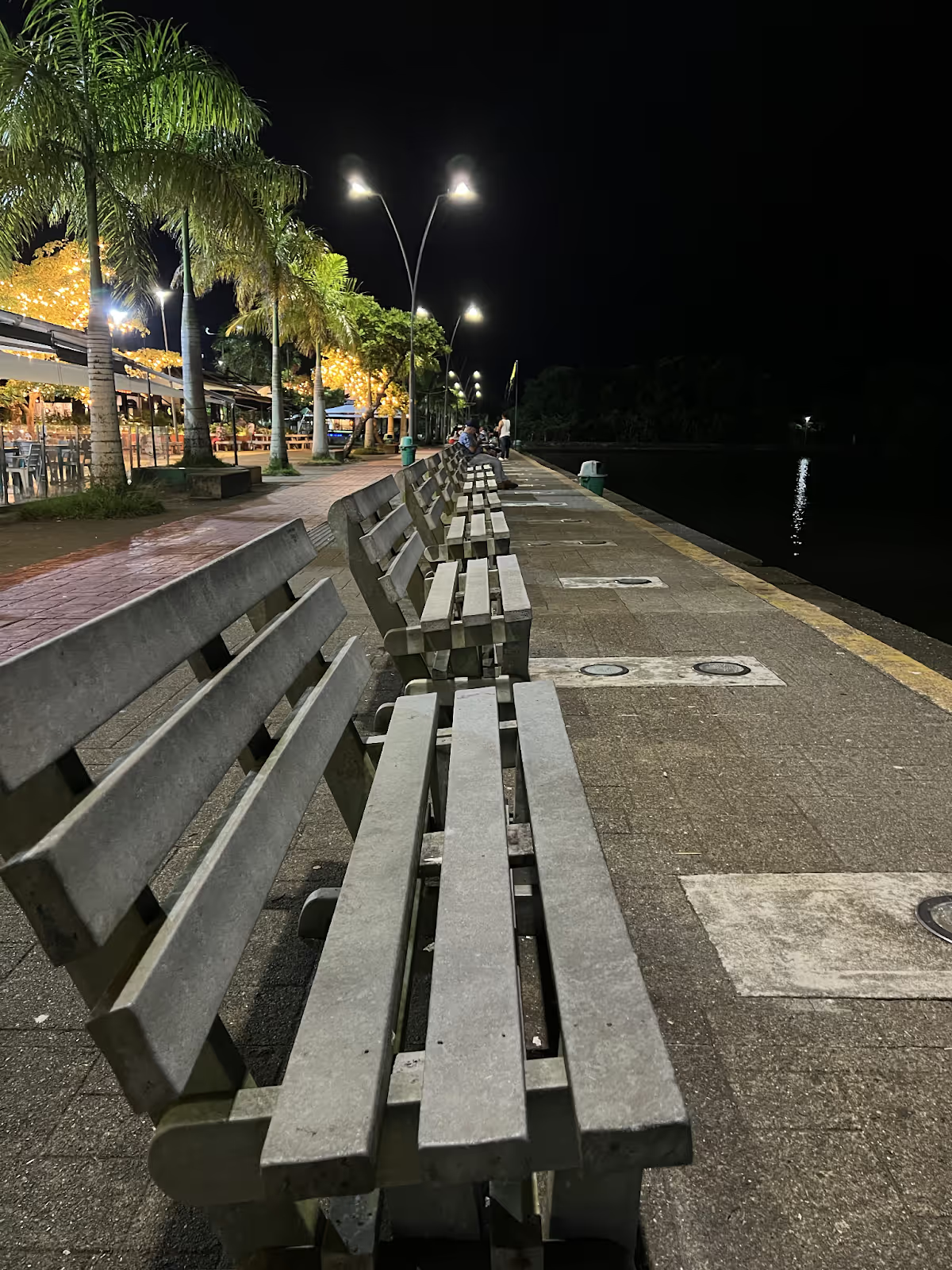
Hotel Maguipi already showcases its potential: decks, stairs, walkways, and a tourist cabin made from recycled plastic.
Plastic Market at Pianguita: Community in Action
Pianguita is one of the eight communities the project supports.
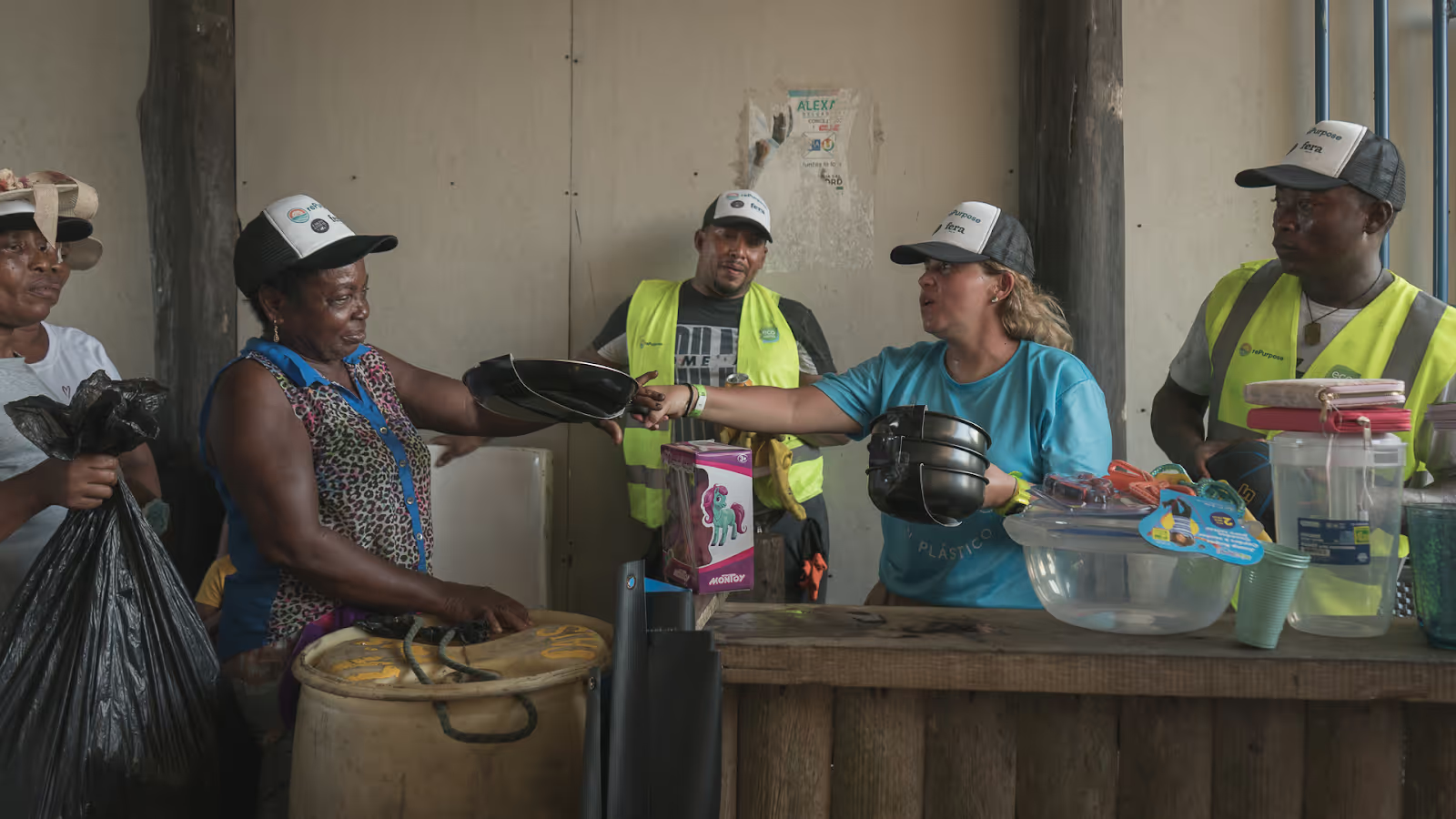
We repeat the ritual of getting down in waist deep water to conduct a plastic market event - a community awareness and collection drive funded by Kingspan. These events educate residents about the environmental impact of plastic waste and demonstrate proper sorting practices. They also provide grocery incentives to encourage participation.
But what’s emerging goes beyond incentives.
Every time the tides recede, the ocean deposits plastic along the beach. Communities are mobilized to take matters in hand as now Fundacion is offering collection services.
Diana, a local leader (a hotel owner) explains how clean beaches protect tourism and sustain the livelihoods of around 400 people. Where once waste was dumped or burned due to lack of alternatives, structured collection services are now taking root. With support from EcoWorks and Fundación Maguipi, the program is evolving into something deeper: A shared commitment to cleaner beaches, better waste practices, and a community-led recycling system.
The Power of a Clear Theory of Change
None of this happened by accident.
Behind every bale of recycled plastic and every clean beach is a plan.
The challenge:
- No formal waste infrastructure, high environmental leakage, and limited livelihood opportunities.
The solution:
- Build scalable collection systems.
- Install local processing capacity.
- Increase material value.
- Reinvest into community assets.
The vision (by 2027):
- 20+ communities served
- 600+ tons of plastic recovered annually
- A replicable model for circular coastal development
With our support, this project goes beyond setting up a recycling center. It demonstrates that community-led climate action can work, and can scale.
From Trash to Transformation
This is no longer just a recycling project.
Residents are forming micro-cooperatives. Children are learning about marine ecosystems. Hotels are organizing clean-up efforts.
At the MRF, workers live on-site and receive meals, salaries, and training. In a region with scarce formal employment, this creates stability.
In this humid coastal climate, traditional wooden homes deteriorate quickly. Plastic lumber offers a durable, climate-resilient alternative.
Blue Flags and Bigger Dreams
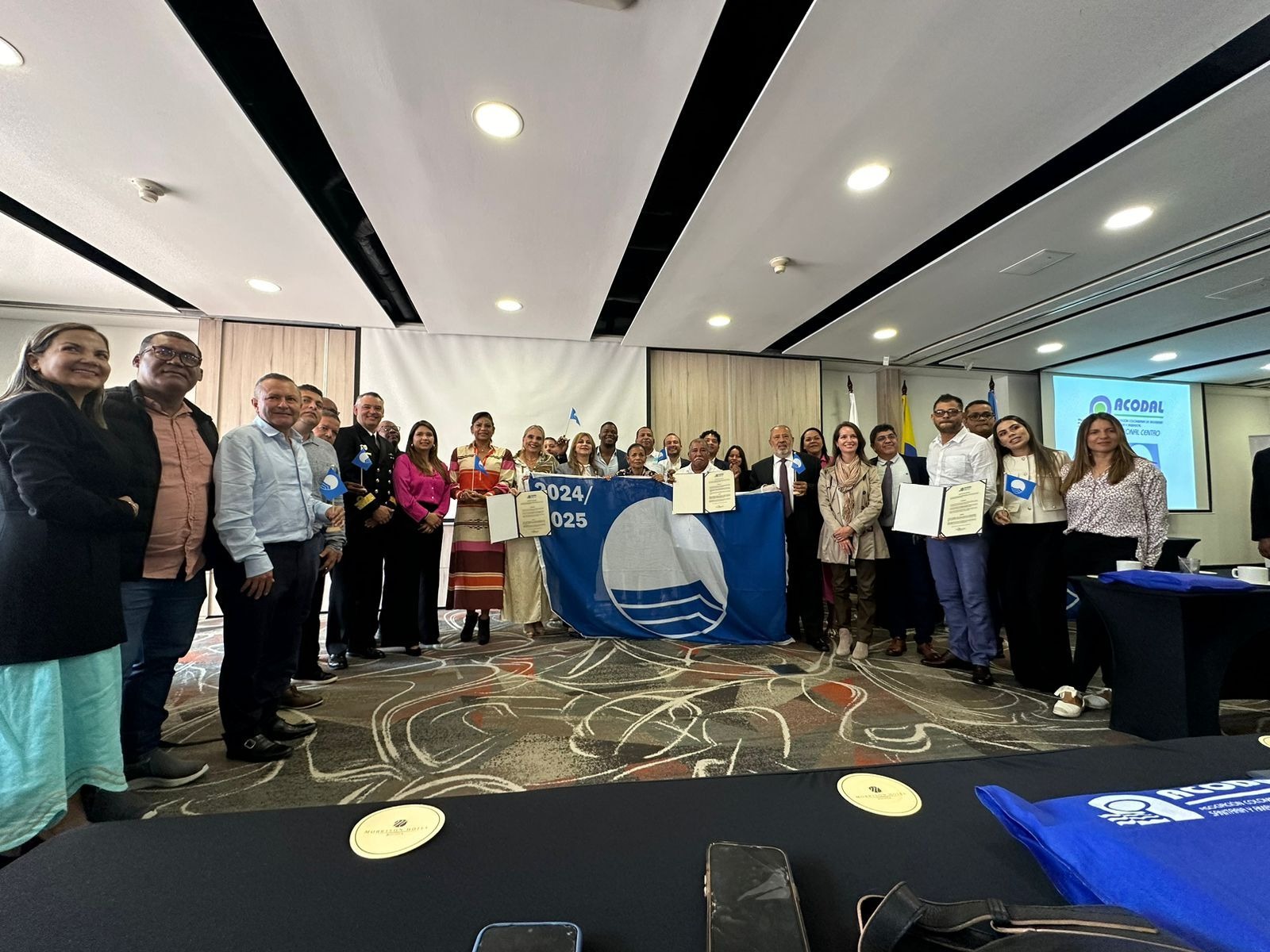
Playa Dorada, one of the project’s pilot beaches, now holds a Blue Flag certification - a globally recognized symbol of environmental quality. But for the team, the real win isn’t the flag. It’s what the flag stands for: a community that took action. That turned the crisis into creativity. That proved even remote regions can lead powerful change with the right tools, trust, and partners.
Where We’re Headed
With the operations now stabilized, the road ahead is about growth.
More boats. More communities. More plastic recovered. More homes and public spaces built with recycled lumber.
It’s about investing in systems, not just one-off cleanups. Building real infrastructure. And unlocking local potential.
We bring catalytic financing, technical support, and long-term commitment. Fundación Maguipi brings local leadership and relentless execution. And when combined with the creativity and tenacity of leaders like Jorge, that’s where real transformation begins.
Because here, the motto is more than words—it’s a way of life. No problemas. Solo programas.
Related posts

.avif)