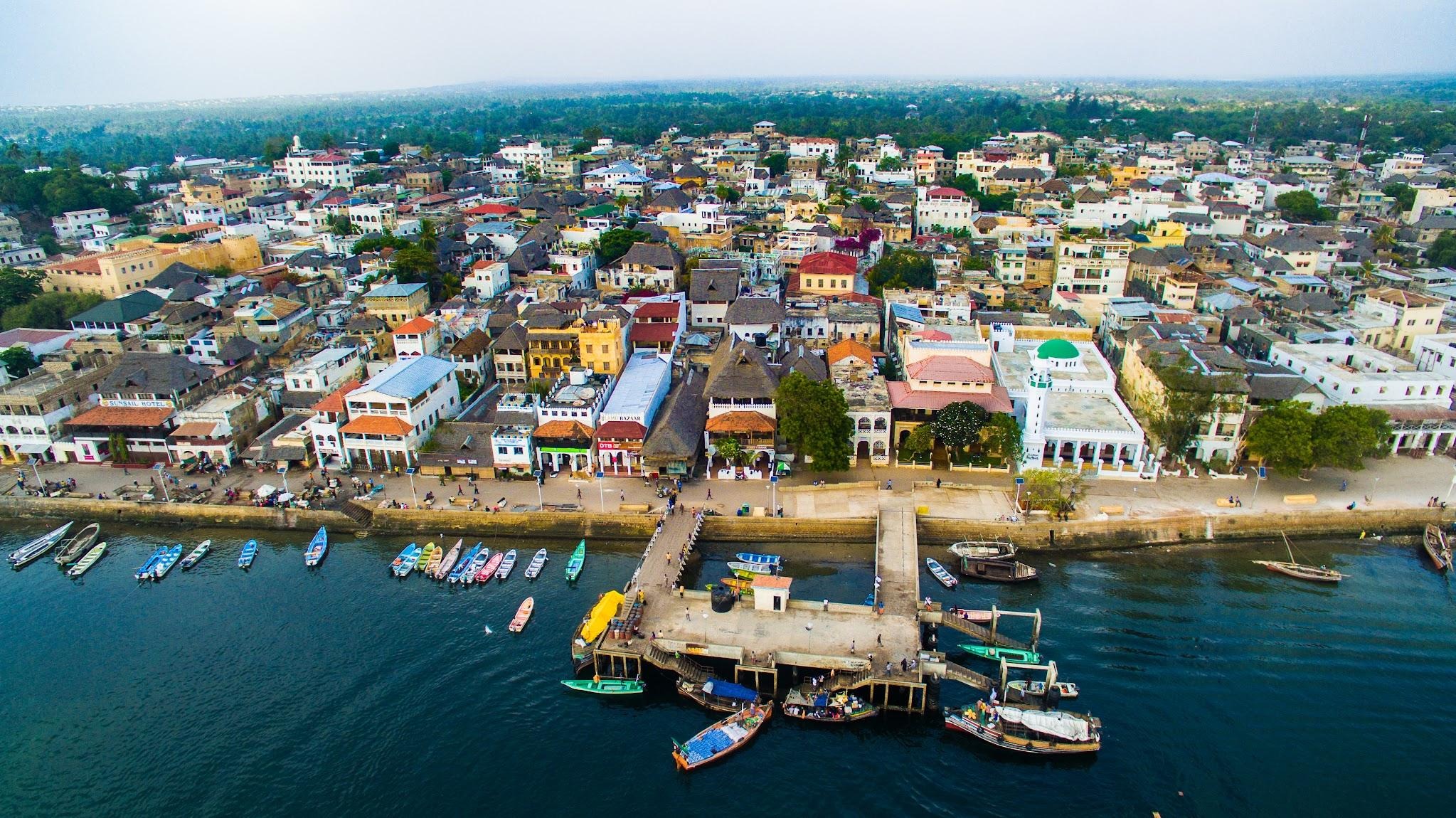
Lamu is a UNESCO World Heritage Site off Kenya's northern coast, and one of the oldest Swahili settlements in the region. Its mangrove forests are also one of the coast's most important ecosystems, protecting shorelines from erosion and acting as a natural buffer against climate change.
But alongside this beauty and cultural continuity, another tide has quietly begun shaping the islands. Each day, ocean currents carry plastic waste onto Lamu's shores, including bottles, discarded fishing gear, food packaging, and worn-out footwear. And the problem isn't only what washes in: rising consumption, tourism, and limited waste infrastructure across the archipelago are generating growing volumes of waste from within. 60% of Kenya's mangroves and 50% of its coastline sit within Lamu — a critical biodiversity hotspot that is today threatened by unmanaged waste.
Lamu sits at the crossroads of cultural preservation, tourism, and a mounting plastic waste problem.
When Geography Shapes Waste
Most waste management systems are built for dense urban centers with connected roads, centralized collection, and large-scale processing. Across a fragmented island geography like Lamu, those assumptions break down fast.
Much of the archipelago is sandy terrain, which makes transport slow even in good conditions. In the older urban settlements, centuries-old alleyways, which are central to the islands' cultural identity, are too narrow for vehicles, so waste has to move by hand along footpaths before it ever reaches a collection point.
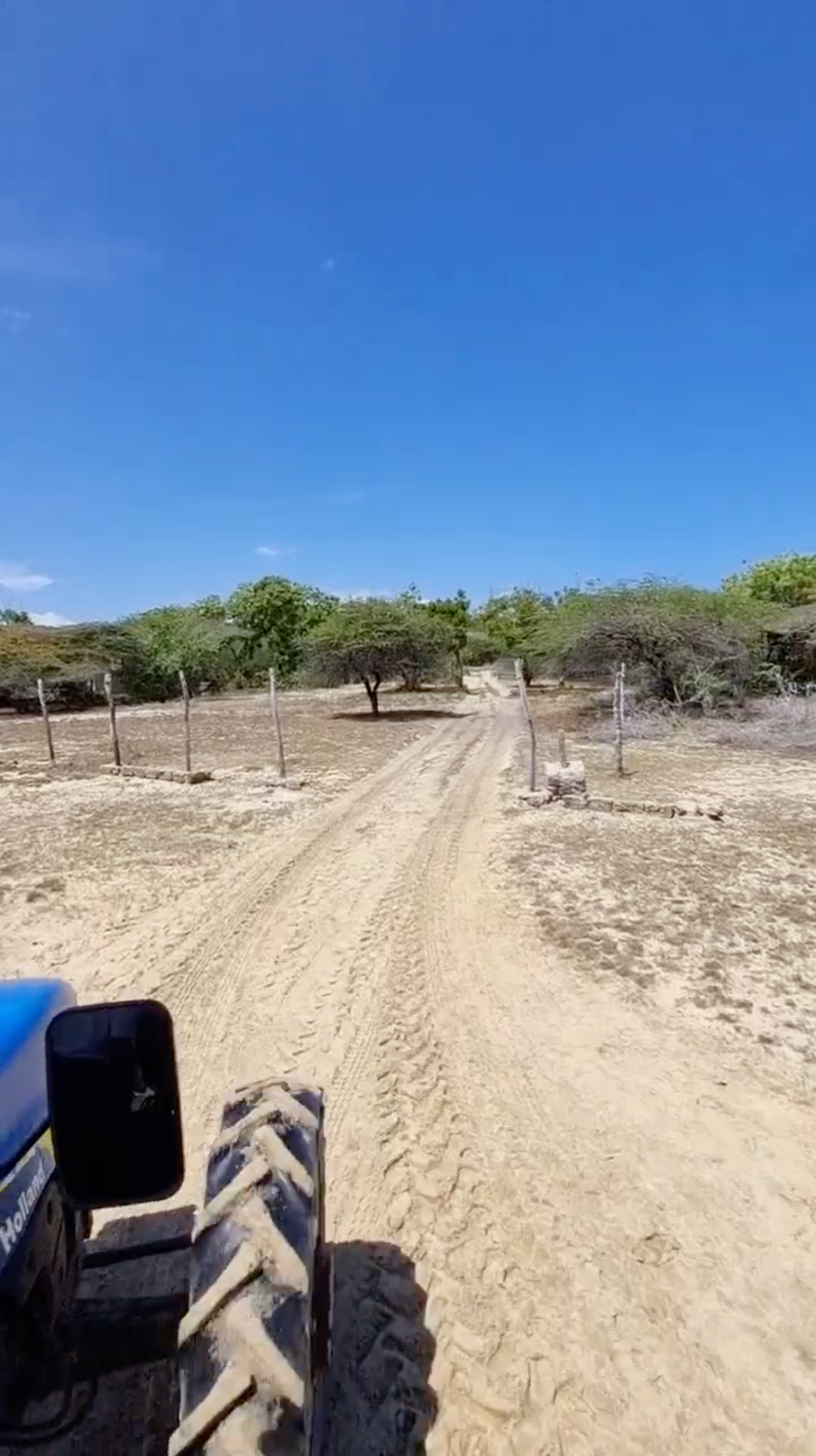
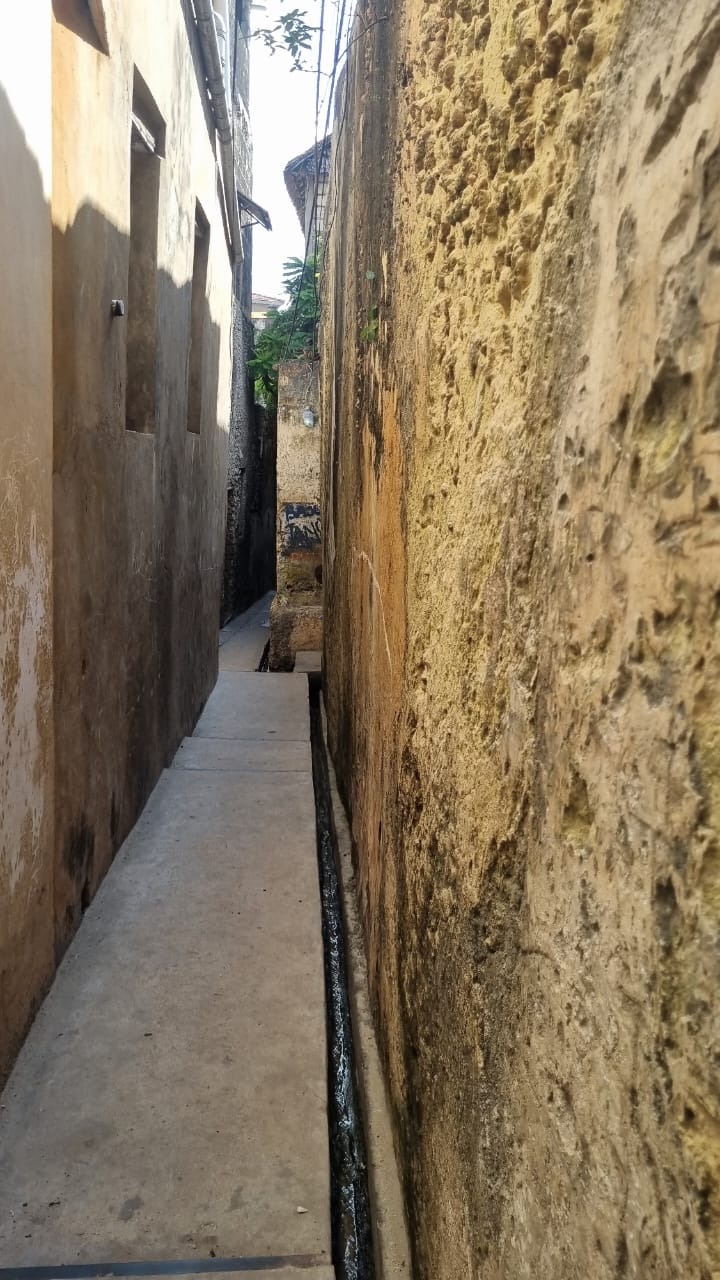
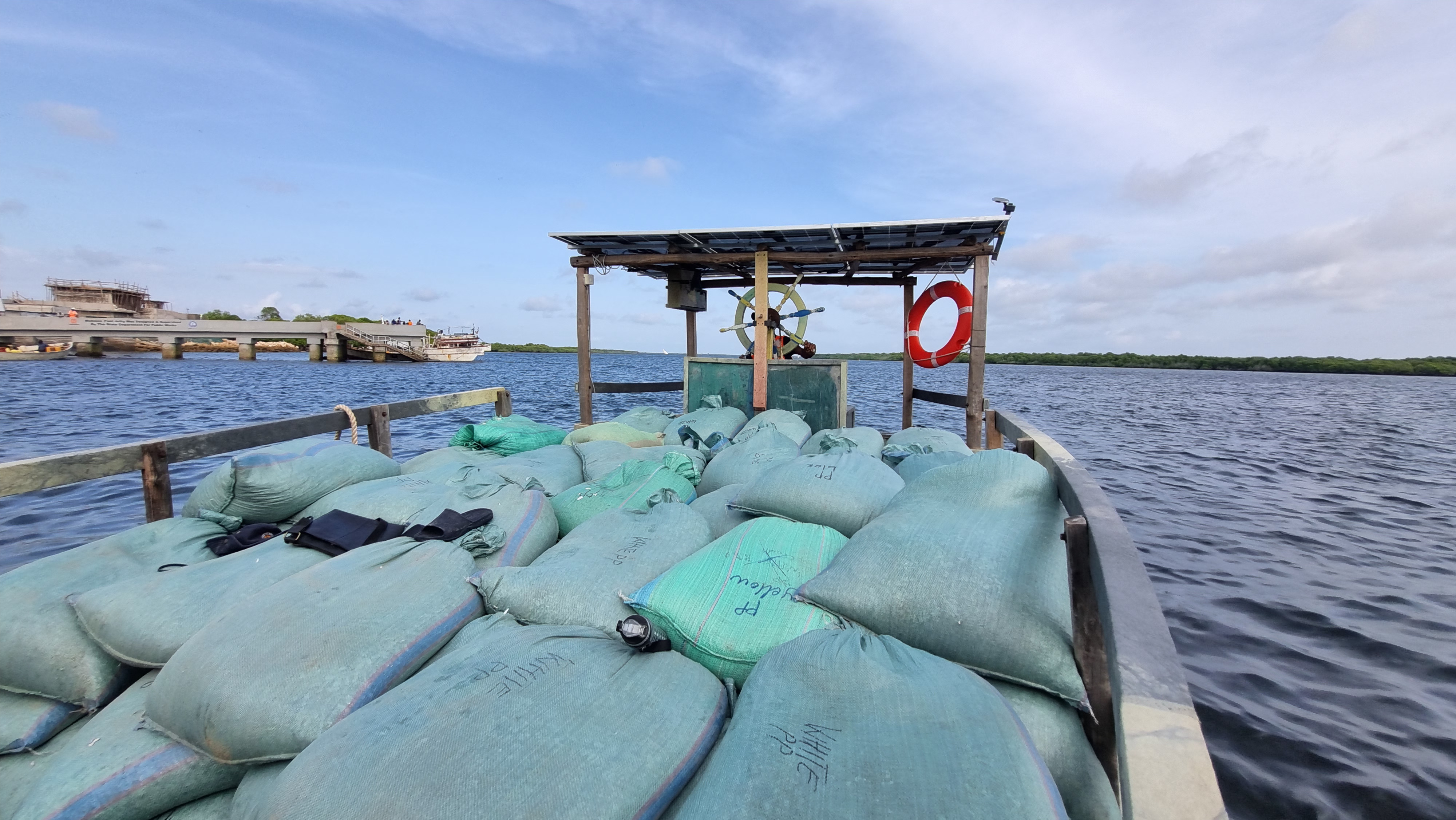
Geography adds another layer of difficulty: many communities are reachable only by boat, which means collection depends on tides, weather, fuel, and inter-island transport, — not just roads. Moving waste from a remote settlement to a sorting or recycling center can be both operationally hard and expensive.
Meanwhile, rising tourism and packaged-goods consumption keep adding plastic to the system, while limited municipal budgets and inconsistent service-fee collection make it difficult to build formal waste infrastructure at the scale the islands need.
The gap is most visible when the tide goes out: mangrove roots emerge from the shallows, and among them are plastic bottles, packaging, fishing rope, and worn footwear, carried in by currents, or simply left behind by a collection system that isn't built to catch it.
In an ecosystem as delicate as a mangrove, plastic doesn't stay at the shoreline. It moves through waterways, settles into coastal vegetation, and becomes part of the landscape. Livestock feeding near dump sites ingest it; open burning becomes one of the only disposal options available, releasing toxic fumes into densely populated settlements. Waste generated on one island frequently turns up on another; there's no barrier, natural or infrastructural, to stop it moving between them.
The Dhow That Sparked a Movement
In places where formal waste systems struggle the most, that gap can become the opening for something new.
As local innovators looked closer at the waste challenge, one thing became clear: isolated fixes wouldn't hold. Fragmented settlements and weak collection systems needed something decentralized, collaborative, and rooted in the place itself.
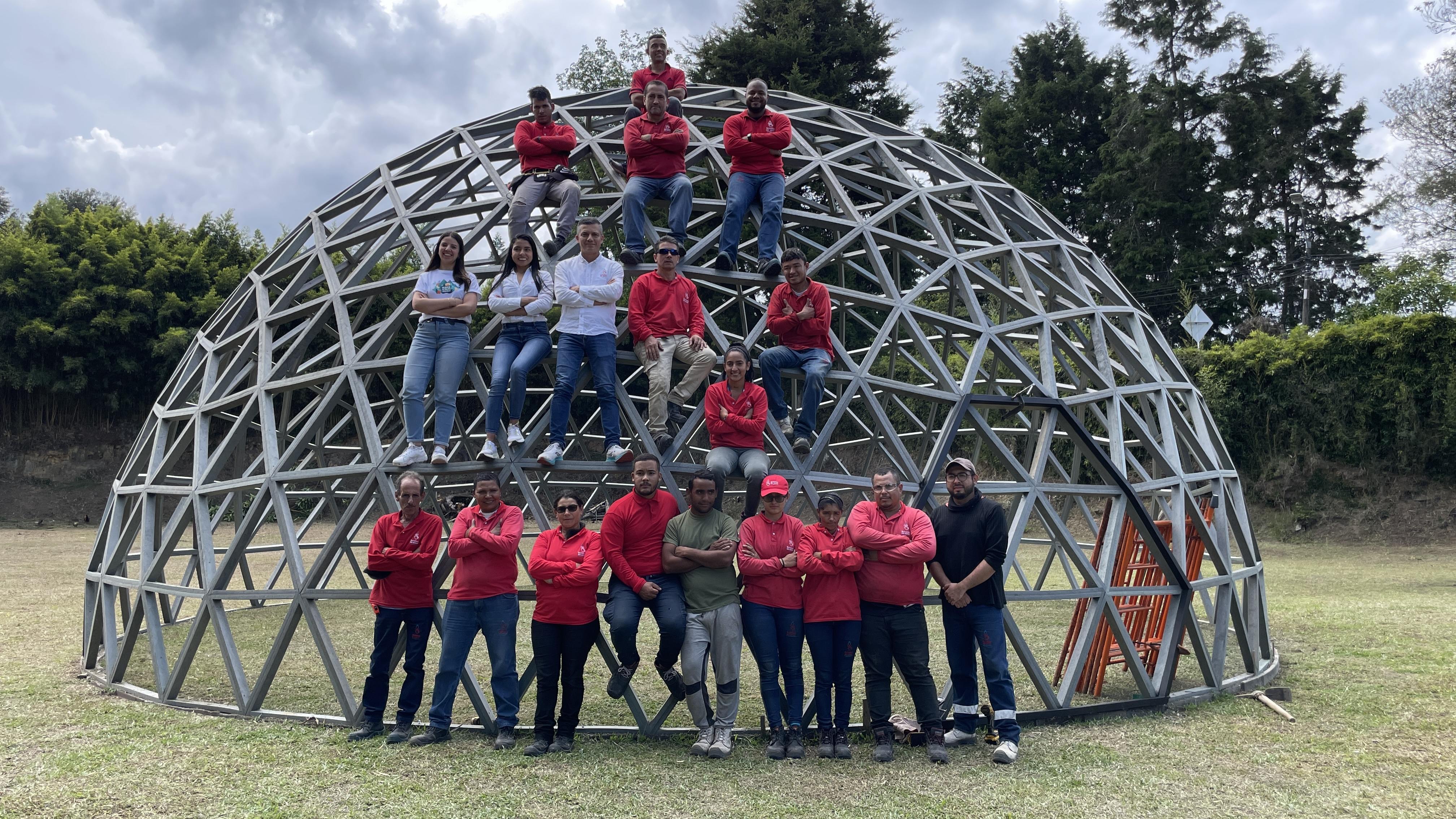
Three changemakers, brought together by concern over ocean pollution and a shared connection to Lamu's cultural identity, built the world's first dhow, a [add definition] made entirely from recycled plastic waste and discarded flip-flops collected off the Kenyan coastline.
.jpg)
The dhow was built on the centuries-old Swahili tradition of dhow making, and it made a direct point: local culture and a modern environmental crisis didn't have to be at odds. Innovation grounded in local identity could address plastic waste while keeping the craftsmanship that defines the islands intact.
The dhow's success opened the door to more products blending recycled plastic, traditional wooden artistry, and a growing market for sustainable goods.
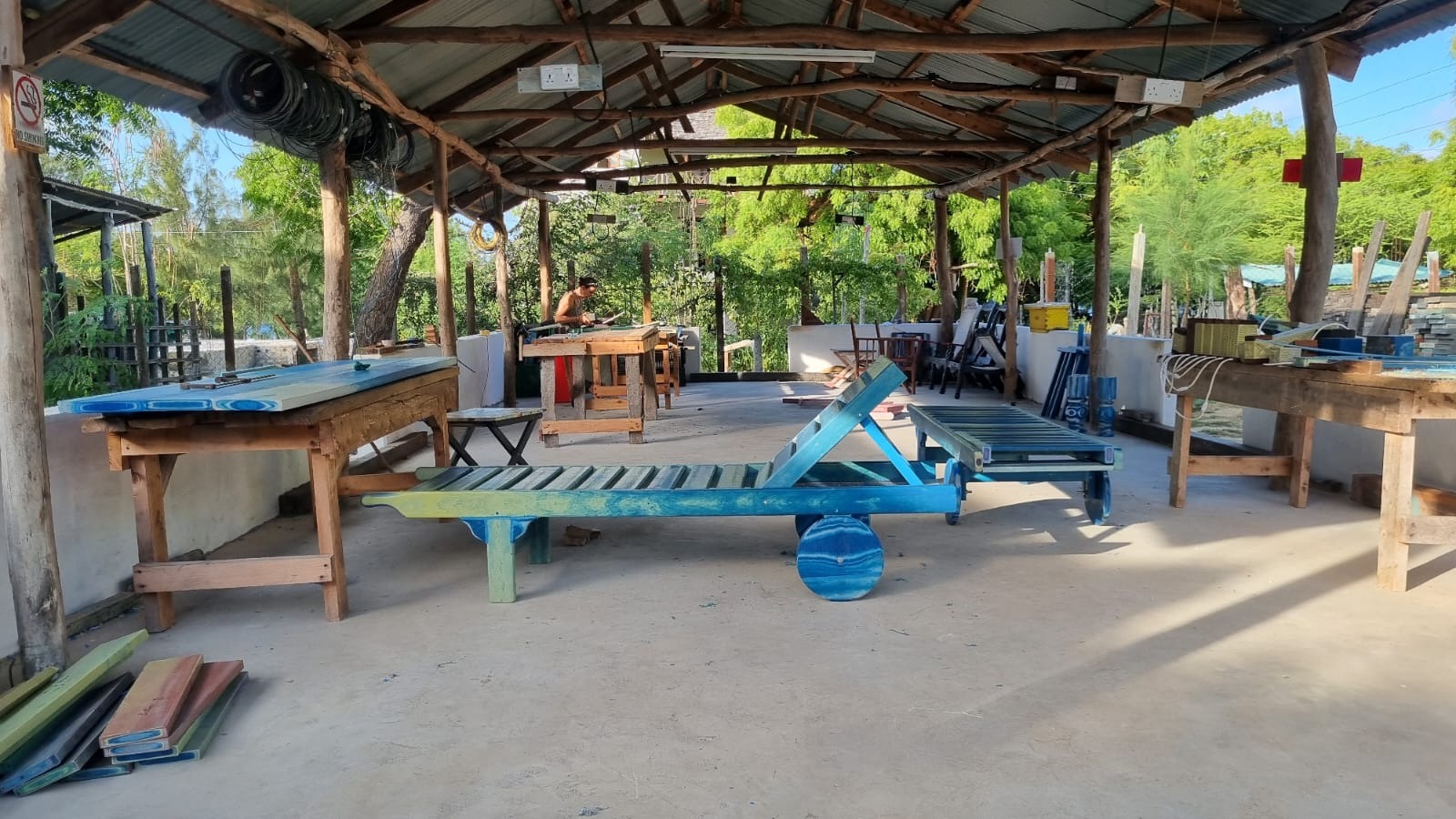
But a new problem surfaced fast: sourcing enough recyclable plastic, consistently. What looked like a supply issue at first turned out to be something deeper: broken collection systems, unmanaged leakage, and the absence of basic waste infrastructure across the archipelago.
That's what pushed Dipesh and Ali (Impact partner co-founders) past product design and into waste management itself. Solving it would take communities, local government, collectors, youth groups, recyclers, and entrepreneurs working together across multiple islands. In Lamu, there was no single fix, only a collaborative one, built from several interconnected parts.
The Hidden Economics of Circularity
Building a circular system in a place like Lamu takes far more than recycling infrastructure. Before plastic can become a usable material again, an entire chain — awareness, collection, sorting, transport, processing — has to function across fragmented island geography.
Collection looks different depending on where you are:
- Awareness is still a first step in many communities, as packaged goods become part of everyday life.
- In town, collectors move through alleyways no vehicle can enter.
- In sandier, peri-urban areas, waste moves by hand cart across difficult ground.
- On the more remote islands, collection depends entirely on boats crossing tidal channels in unpredictable weather.
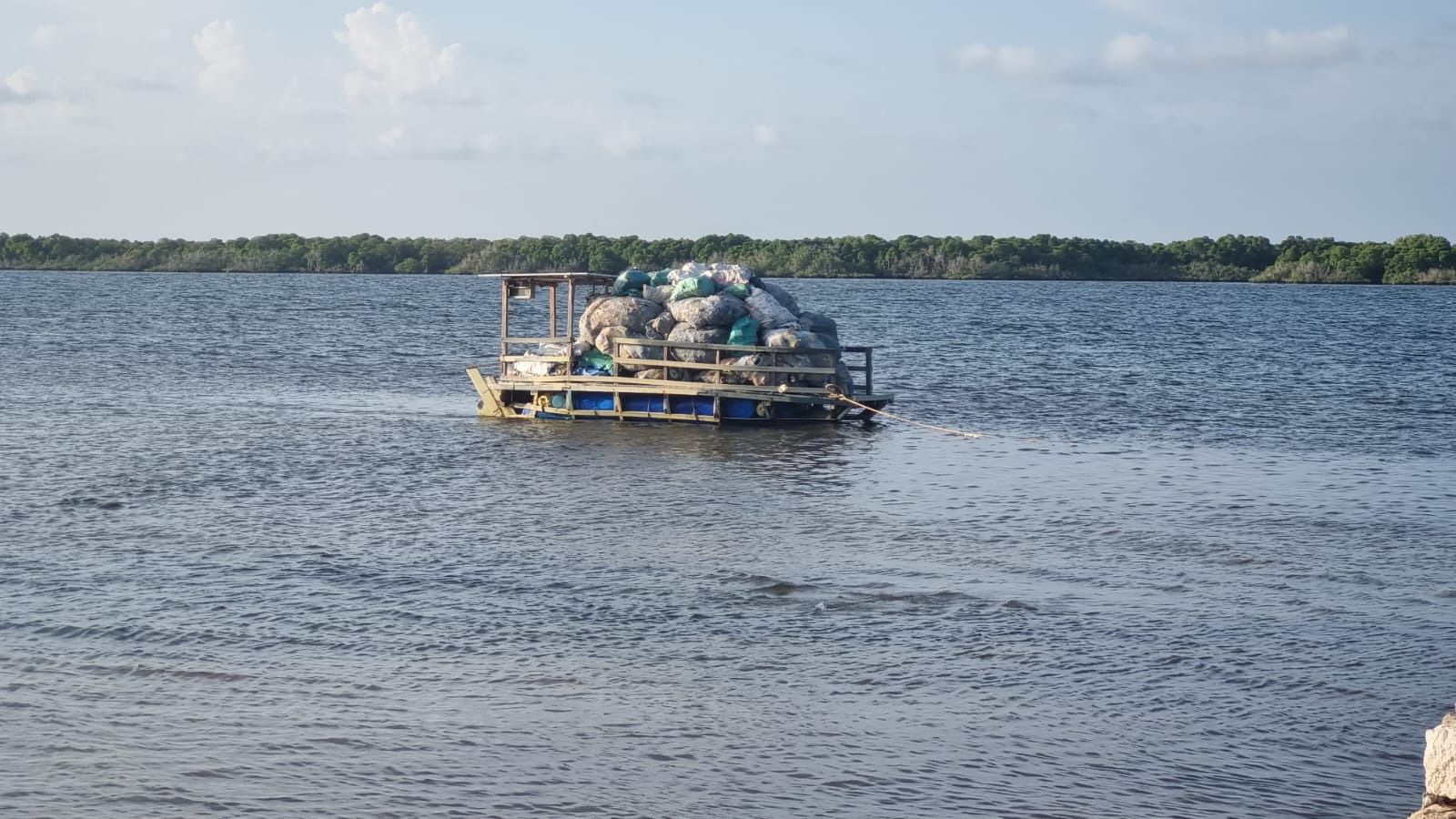
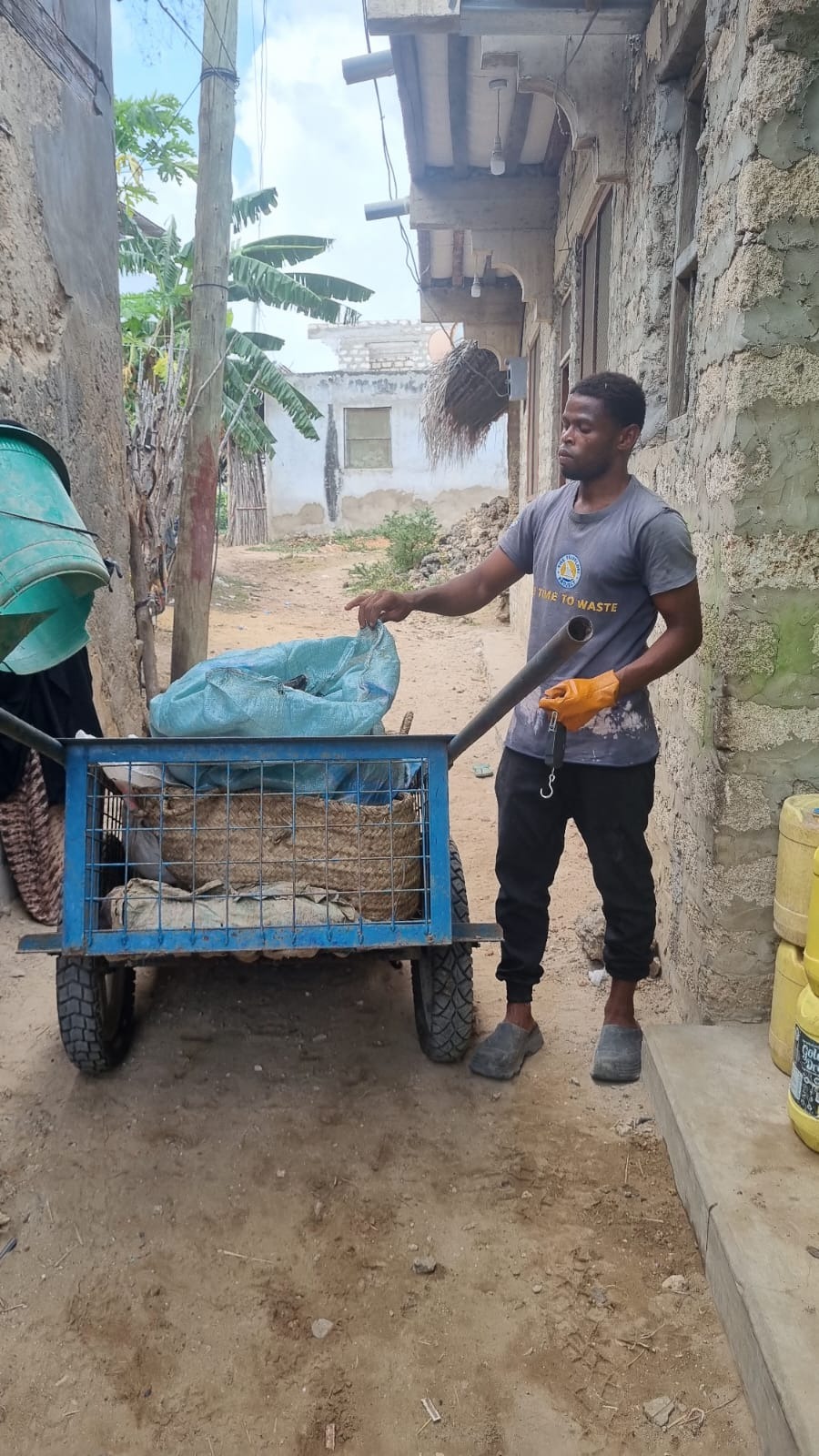
Access is shaped by the tide as much as the map:
- Marginalized communities recover some material at informal dumping sites with little protective equipment.
- A path that's dry in the morning can be underwater by the time a team makes the return trip, adding real cost and delay to keeping the system running.
Collection is only the start; processing takes it the rest of the way:
- Recovered material is transported, sorted, cleaned, and baled at a recovery facility before it can enter a recycling stream.
- Some becomes plastic lumber, which local artisans shape into products that carry both the recycled material and the islands' Swahili craftsmanship.
This is a fully circular system, held together by labor, transport, coordination, and community participation at every stage — and running it across remote island geography is expensive, which limits how far it can scale on its own.
"We took around 10 hours throughout the night to come from Lamu to Pate Island on our boat to collect the plastics. Hopefully, we will take less time to go back if the tide and wind support us." — team member responsible for collection and traceability
Building Systems Through Community
This is the context Bahari Safi grew out of: a long-term partnership between the dhow impact partner and rePurpose Global, built to strengthen waste management across the Lamu archipelago by bringing together local organizations, collectors, artisans, youth groups, and recyclers around one shared effort: environmental action, livelihoods, local ownership, and cultural preservation, working together instead of separately.
One of the clearest examples of that thinking in practice is the Mtaa Safi Shop, which translates loosely to "Clean Neighborhood."
In a geography as fragmented as Lamu's, centralized collection alone isn't enough. The Mtaa Safi Shop takes a more decentralized approach: neighborhood-level points where residents trade collected plastic for daily essentials and groceries. It's a barter model, and it works because it lowers the barrier to participating; no one has to haul waste across difficult terrain to a distant collection point.
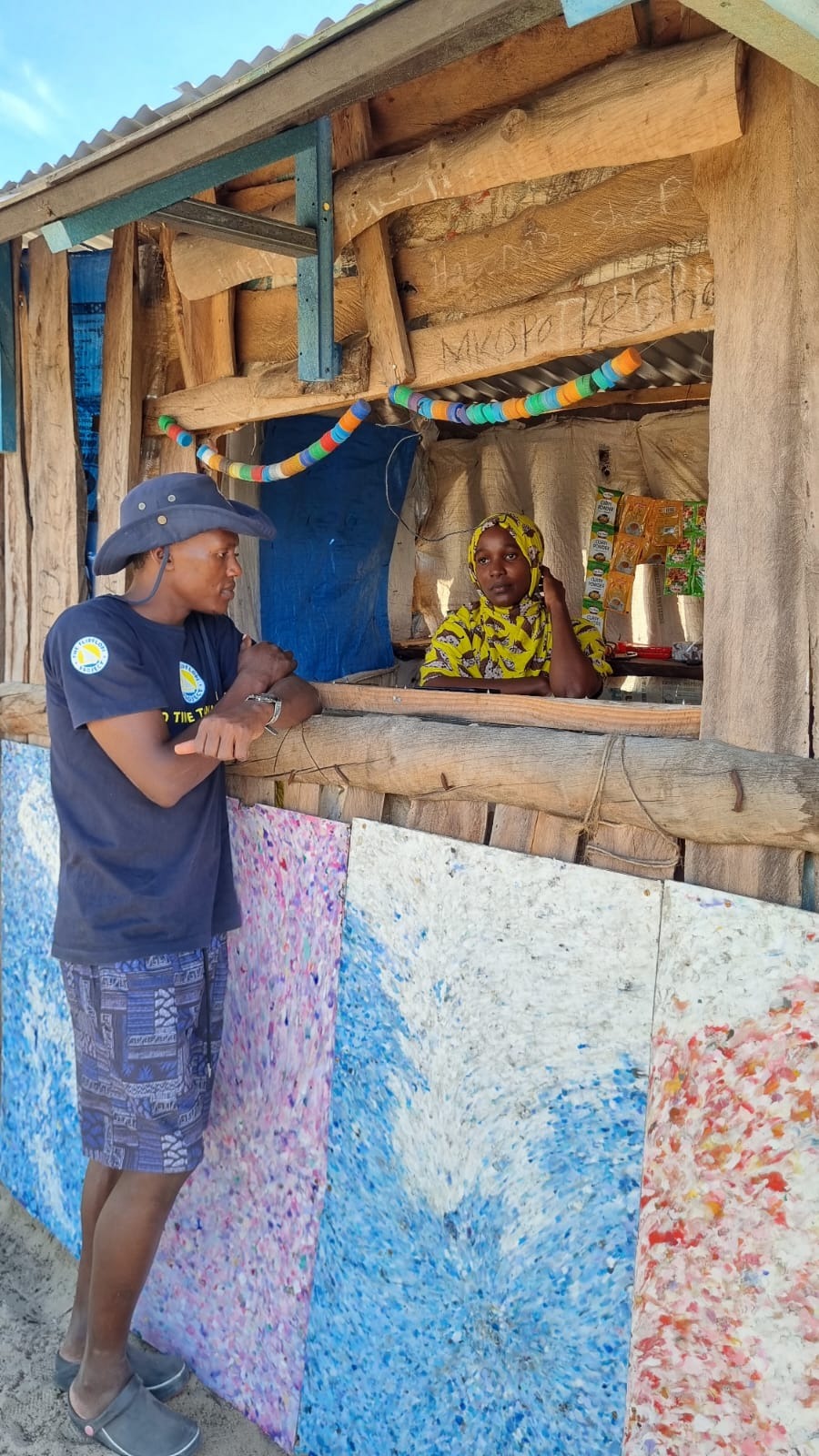
"I now look forward to creating a small vegetable garden which can help me offer another product to customers and motivate them to collect and deposit more plastics with me." — Woman entrepreneur running a Mtaa Safi Shop
Beyond the plastic it recovers, the Mtaa Safi Shop and the model at project Bahari Safi are reshaping the economics of waste work itself with more structured roles, steadier income, better working conditions, and a path toward formalizing what used to be informal, unprotected labor. It's a circular economy model built for the place it operates in, rather than adapted from somewhere else: where geography, infrastructure, and economics make conventional systems hard to sustain, a decentralized approach like this one can strengthen waste management and build more dignified livelihoods at the same time.
Lessons Beyond Lamu
Lamu's challenges are specific to Lamu, but they're not unique to it. Small Island Developing States around the world share many of the same structural pressures — fragile coastal ecosystems, limited land, fragmented geography, tourism dependence, rising plastic consumption, thin waste infrastructure, and growing exposure to climate risk. Millions of people across these nations and territories have futures tied directly to the health of their coastlines.
What's taking shape in Lamu is a working answer to a harder question: what does a circular system look like in a vulnerable island geography? The lessons here — decentralized collection, cultural integration, multi-stakeholder collaboration — have relevance well beyond this archipelago.
Rather than offering a rigid template, this provides clear evidence: locally grounded systems can succeed in challenging environments, cultural identity can drive innovation, and sustainable livelihoods can grow alongside environmental stewardship. Ultimately, it shows that the communities most affected by plastic pollution can design the path forward.
More than 300 brands already fund plastic recovery projects like this one through rePurpose Global. The systems in Lamu — the boats, the shop network, the artisans turning recovered plastic into products — exist at the scale they do because of that funding, not despite its absence.
Talk to our team to learn how your brand can claim verified plastic recovery through rePurpose projects like Bahari Safi. Book a call with our team →
Related posts


.avif)