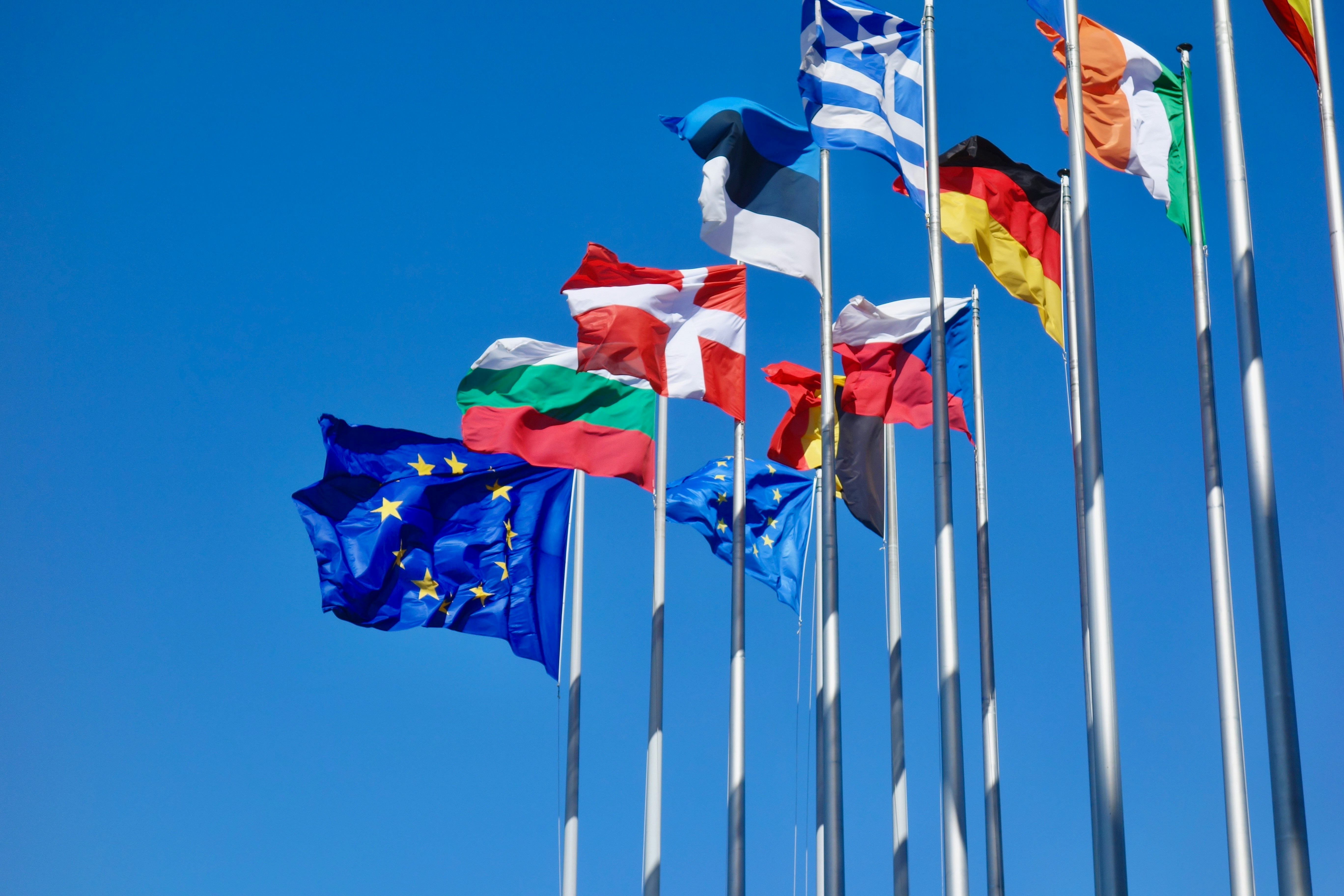
The EU Empowering Consumers Directive (EmpCo), also known as ECGT (Empowering Consumers for the Green Transition), takes effect on September 27, 2026.
ECGT introduces new rules for how companies communicate environmental and sustainability claims to EU consumers.
Who does ECGT apply to?
If you market or sell products or services to EU consumers, ECGT may apply to those consumer-facing communications, regardless of where your business is headquartered.
This includes brands that:
- sell products to consumers in the EU;
- ship products to EU consumers;
- market products or services to EU consumers;
- supply products through EU retailers or distributors; or
- operate an e-commerce store serving EU consumers.
If your business does not market or sell to EU consumers, the Directive is unlikely to affect your current communications.
ECGT primarily focuses on B2C communications. Businesses that operate only B2B will generally be outside that consumer-facing scope, although communications that also reach or target consumers may still need review.
Finally, this isn’t just a packaging exercise. Environmental claims can appear across websites, ecommerce and retailer listings, newsletters, social media, sustainability reports, point-of-sale materials, and advertising visible to EU consumers
What actually changes under ECGT
ECGT doesn’t prohibit brands from communicating about sustainability, but it raises the bar for what they can say, how specifically they say it, and what evidence sits behind the claim.
Starting September 27, 2026, environmental claims and sustainability labels presented to EU consumers must meet the Directive’s requirements. Specifically:
- Environmental claims must be clear, specific, appropriately scoped, and substantiated. Broad claims such as “eco-friendly,” “green,” or “sustainable” face particular scrutiny when they create a general environmental impression without explaining the specific benefit.
- Sustainability labels and trust marks face new restrictions. Brand-created badges that could be mistaken for independent certification are at risk; sustainability labels generally need to be based on a qualifying certification scheme or established by a public authority.
What to look out for:
How to get ready for ECGT compliance
Brands making environmental claims heading into September 2026 should be able to answer a few basic questions about every claim:
- What exactly are we claiming? Is it clear and specific rather than creating a broad impression of environmental benefit?
- What makes it true? There should be data, methodology, records, or other evidence supporting the claim.
- Is the scope accurate? If the evidence applies to one package component, product, SKU, or program, the language shouldn’t imply it applies to the entire product or company.
- Can someone verify it? Where possible, supporting methodology, certification information, or other substantiation should be readily accessible.
- Are we using a sustainability label or trust mark? If so, confirm that the label itself qualifies under ECGT rather than relying on a self-created badge.
Navigating EmpCo With the Right Partner
Environmental claims are changing, but brands can still communicate meaningful action on plastic waste — they just need to be clearer about what they're doing and have the evidence to back it up.
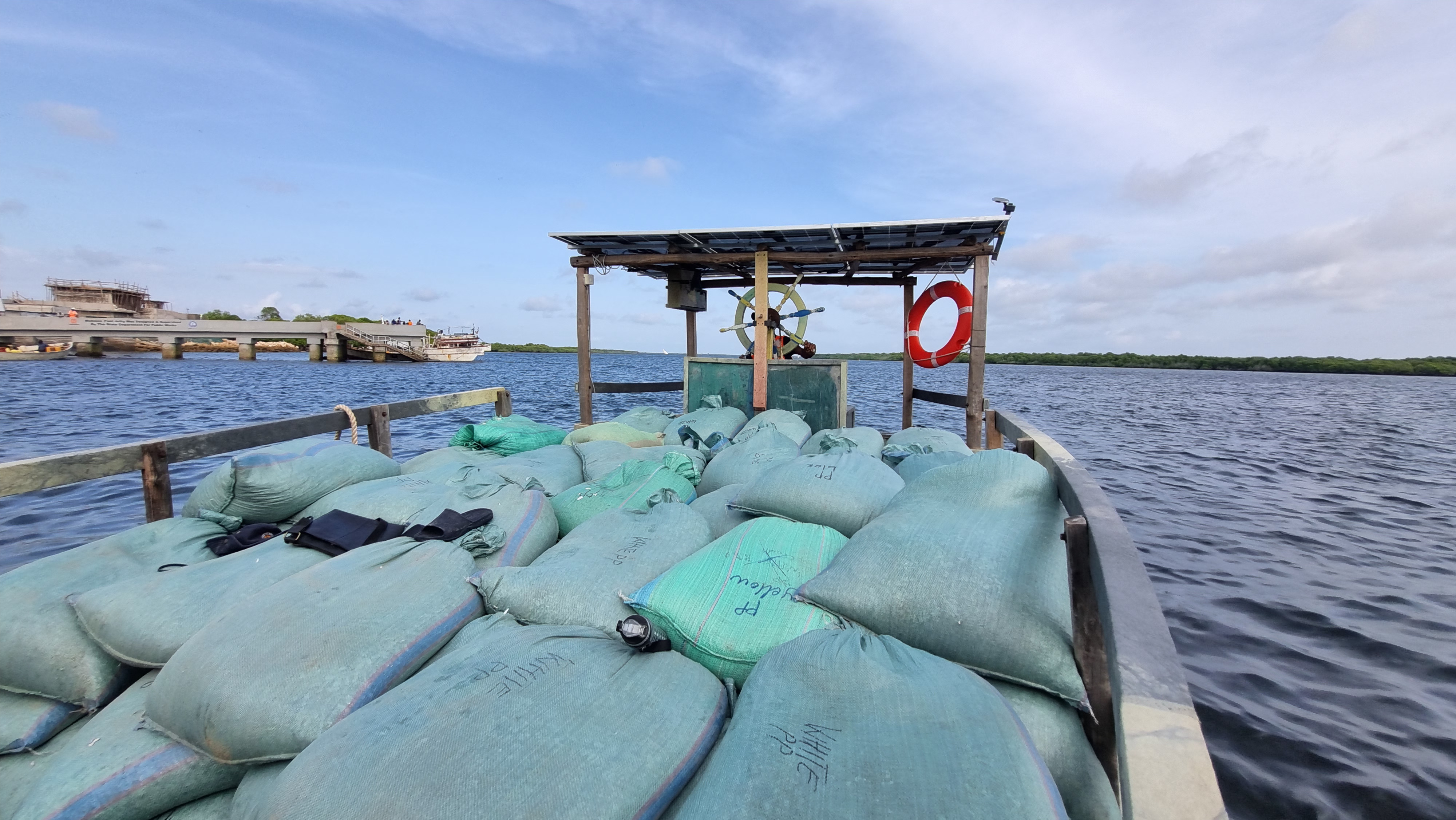
rePurpose Global helps brands fund verified plastic recovery and communicate that action through claims designed for the new regulatory landscape. Businesses funding rePurpose plastic recovery projects can communicate their impact with confidence — every pound of plastic recovered is independently verified and fully traceable.
Want to understand what your brand could claim under rePurpose's Plastic Recovery Pledge Program? Book a call with our team →
Note: This article provides general information and is not legal advice. ECGT is implemented through national laws, and requirements and enforcement may vary by EU Member State. Companies should consult qualified counsel regarding their specific claims and markets.
Related posts

.avif)