
.jpg)
Preface
I had the honor of delivering one of the mainstage keynote addresses at Circularity - a GreenBiz conference last year. The sustainability conference circuit has always held a special place in my heart because everytime I take the stage at one of these events, it serves as a poignant reminder of the journey it took us to get to where we are today.
About six years ago, before rePurpose really took off - when it was still just a fledgling idea - Adi and I would scramble to get one of the coveted volunteer passes to attend these conferences. Budget was tight, and we couldn’t afford actual attendee passes. But we knew that if we wanted to break into the sustainability world, as outsiders in every sense, we had to be in the right rooms.
So we registered as volunteers, which meant we could attend for free. While we stood guard at the door scanning badges and greeting attendees, we absorbed every talk, every debate - drinking from the firehose. I remember coming back to our dingy Airbnb an hour outside the city, exhausted, blisters on both feet from the heels I’d borrowed from my roommate, yet completely energized by the absolute irrefutable hope that filled those event halls.
Today, rePurpose Global has grown into one of history’s largest voluntary plastic cleanup platforms — recovering over 100 million pounds of hard-to-recycle plastic from vulnerable coastlines around the world. We now partner with over 500 consumer companies, often helping them take their first step into plastic action and sustainability. Our packaging compliance software supports Extended Producer Responsibility (EPR) implementation across borders, bringing more than 45 global policies to life.
And while I’m deeply proud of what our team has built over the past half decade, I am also more aware than ever of how far we still have to go. The conversations in those very rooms have started to sound familiar - circling around the same challenges of financing and scaling that have long constrained other impact sectors. The energy is starting to feel a few shades more faded, the optimism tempered by the weight of the geopolitical turmoil roaring around us.
But we remain in the throes of overlapping environmental and humanitarian crises that simply do not afford us the luxury of standing still, of losing the momentum we’ve picked up.
Virgin plastic production is set to triple by 2040, consuming over 10% of the remaining global carbon budget if we’re to keep warming below 1.5°C. Meanwhile, over 3 billion people still lack access to formal waste management, allowing plastic to choke rivers, coastlines, and food systems. We’ve barely begun to understand the havoc microplastics are wreaking on our bodies. You can read our full outlook on the Plastics Market here.
The solutions exist, the technologies exist. I believe now, as I did all those years ago, that we can solve the plastic waste crisis in our lifetimes. But will we?
Below is a lightly edited version (for grammar and readability) of my address from that night — a reflection on this singular moment in time that will determine our collective future.
You can also watch the full video recording here.
The Defining Decade
Our story begins with the dawn of the Industrial Revolution, where for the first time at a global scale, we introduced a linear model of production and consumption: take, make, dispose. Synthetic plastics blazed into existence fuelling historic growth rates.
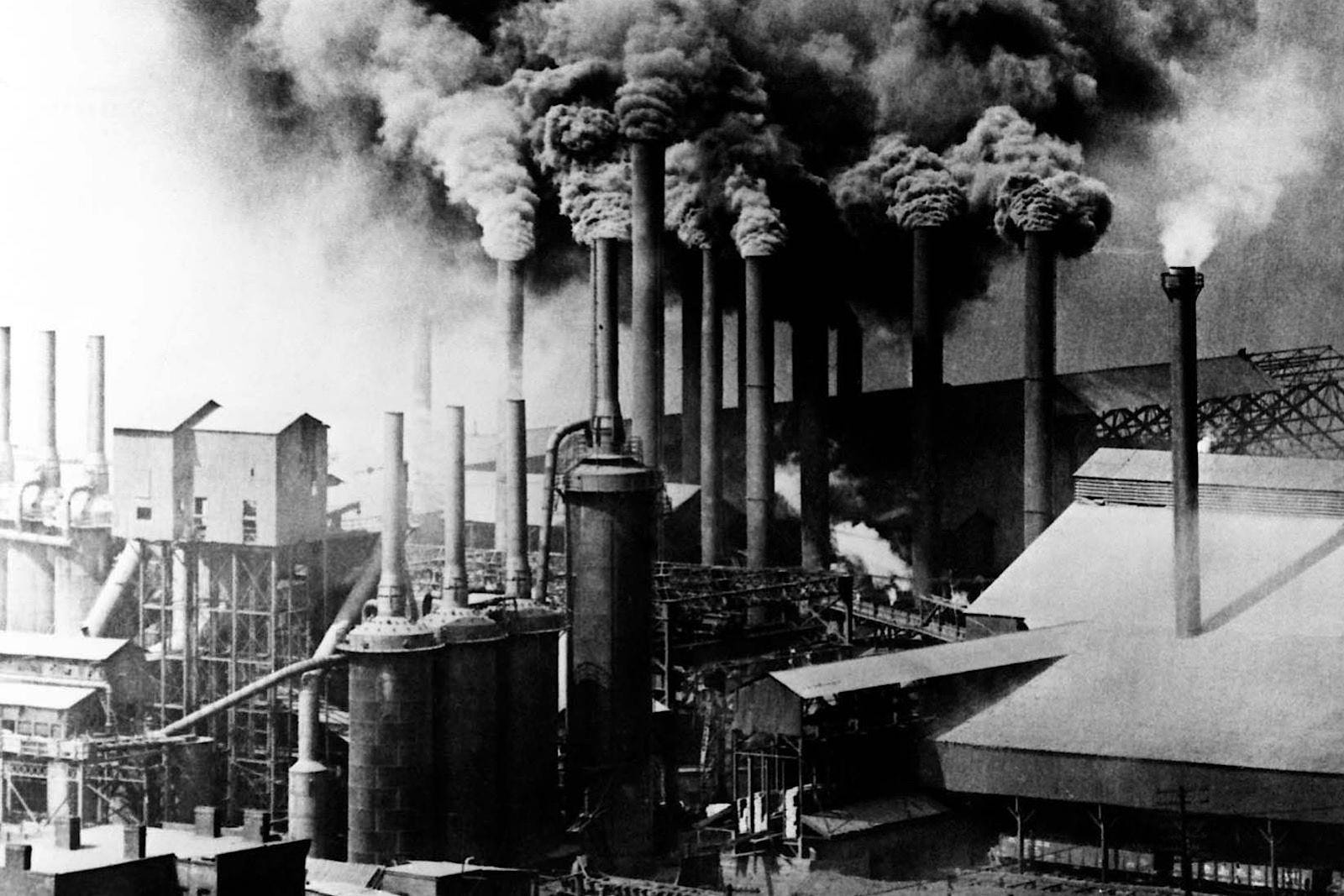
And then, about 20 years ago, we started to take notice of the cracks that began to appear in the system.
By the early 2000s we knew of the Great Pacific Garbage Patch and a new wave of environmentalism started to take root.
About 5 years ago, we saw some historic shifts in the movement toward a circular economy. In a landmark move, the Ellen McArthur Foundation’s Global Commitment was setup.
And at the same time, at rePurpose, we were laying the foundations for our first waste management projects across some of the most unprotected coastlines of the world.
The last 5 years have been remarkable.
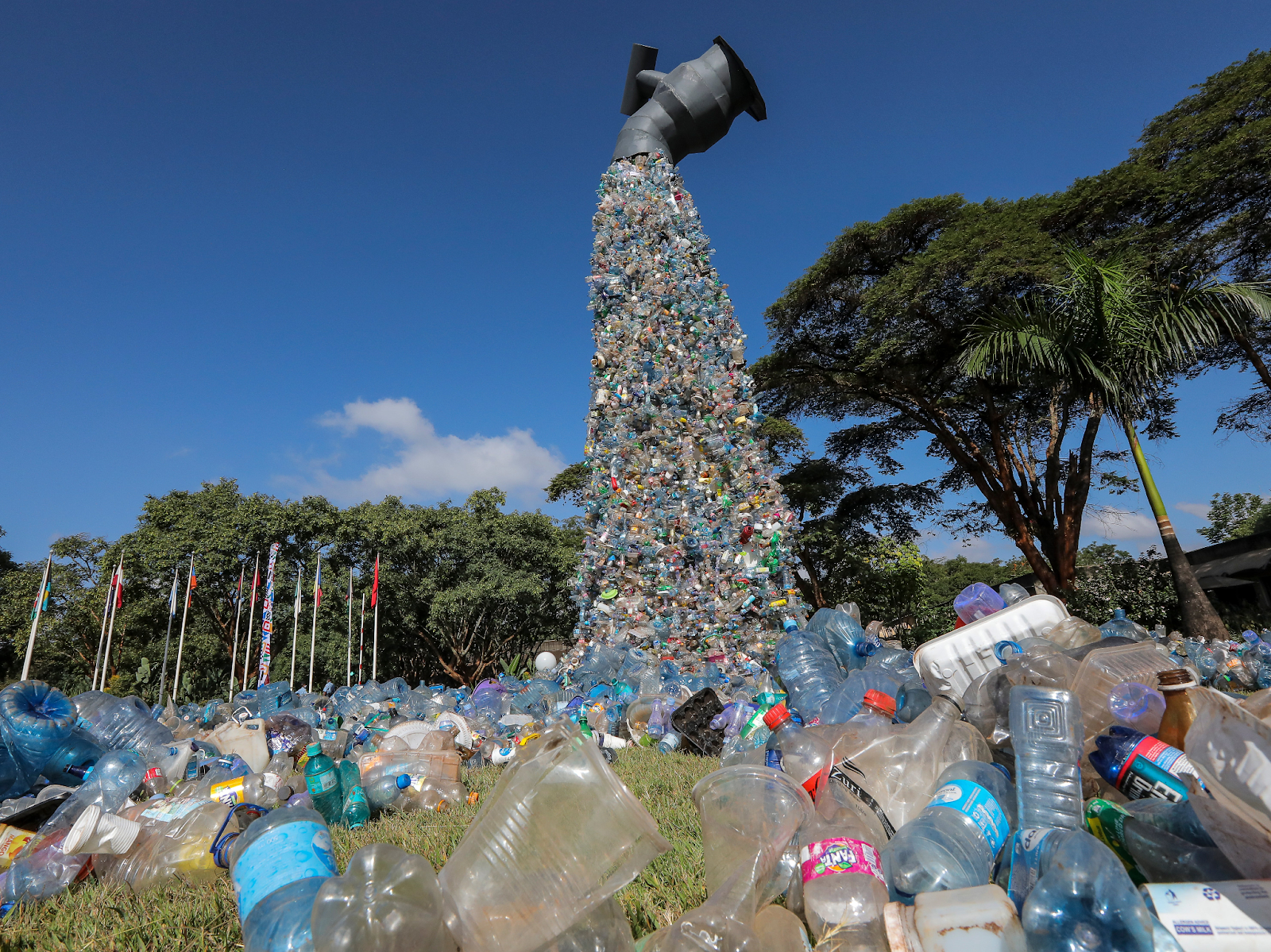
And that brings us to today - I am so honored to share with you this moment in time, standing together at one of the most pivotal cross-roads we might ever face.
5 years from now we might be working hard galvanized by an ambitious treaty North Star - OR - different countries might still be arguing over the definitions of upstream and downstream.
20 years from now, we could have reduced ocean plastic leakage by 90 percent - OR - based on current trends, we might have ended up instead tripling the amount of plastic leaking into nature.
In the history of humanity, rarely has the impact on future generations been so dependent on a single decade of decision-making.
This is the defining decade - a window of opportunity
A sliver in time that will inevitably change the rest of this planet’s future, and that of our species, and I do not exaggerate. We need to lead with urgency and pragmatism.
But what does that actually call for? I don’t have a single answer, I realize there is no panacea - but I have 4 requests.
- The Circular Economy needs you to make concrete financial commitments.
In addition to setting long-term impact ambitions and goals, we need corporate level commitments for concrete financial investment.
The reality is that any impact gap ultimately is a financing gap. Whether we want to scale up the pilot use cases of brilliant innovators, or make internal supply chain changes, all action requires capital.
The UN Plastics Treaty will give us a north star, a goal to rally around. But what will it take to get us there?
In our role as the conveners of the Innovation Alliance for the Global Plastics Treaty, we spent the last year, working with Earth Action and various industry veterans, to see if we could put a number to a simple goal - to help contextualize where we actually are today on this journey and where we need to be. And we found an answer.
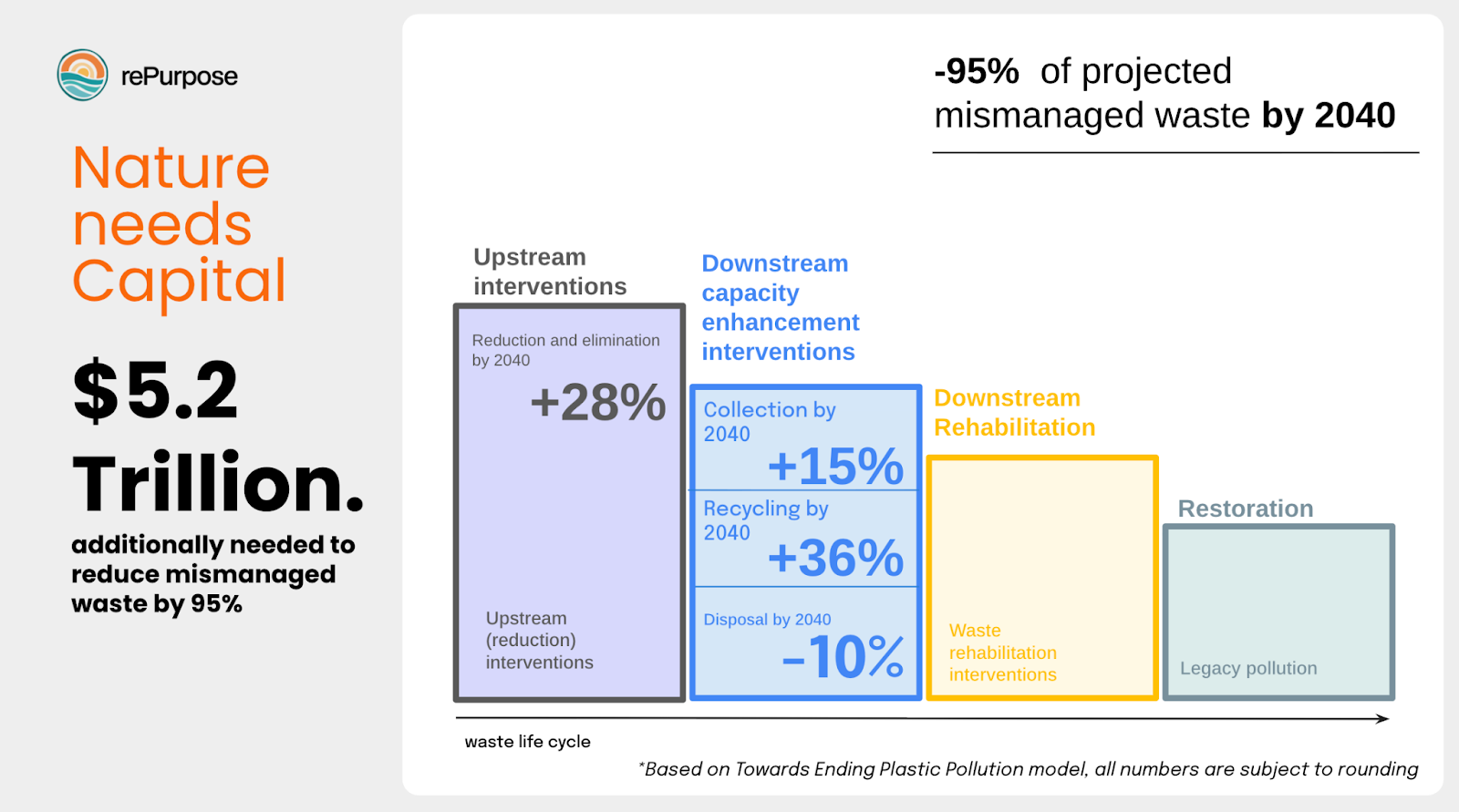
To reduce mismanaged plastic waste by 90 percent, by 2040 - we need to invest across the circular economy value chain - about $5.2 trillion.
Annualized, that’s about 0.2 percent of the global GDP. It’s a daunting number, but I also see it as one of optimism, because it is very much possible. For context, we’re calling for about 2.5 percent of the global GDP to be allocated to combatting climate change.
Importantly, we need to be extremely deliberate about where we spend this money and time, focusing on the outcomes generated by every dollar, every minute, of this defining decade.
You can read more about our work on Outcomes-Based Financing for the Circular Economy here.
2. Environmental impact is an output. Designing for people is the input.
Environmental impact is an output. Designing for people, community development, is the input.
Environmentalists, the people sitting in this room, we are ultimately public servants.
Because building a circular economy is not just about reducing waste, it is about giving people practical affordable alternatives and quite literally changing how they go about their day to day lives.
Let me give you an example - for the longest time, the state of Kerala in southern India, roughly a little larger in population than the state of Texas, has had a chronic plastic pollution issue. The average plastic litter index was almost 3 times the global average and 95% of the low value plastic waste generated was either openly burnt or dumped, mostly making its way into the ocean.
Many initiatives failed, millions of dollars were wasted - why didn’t it work?
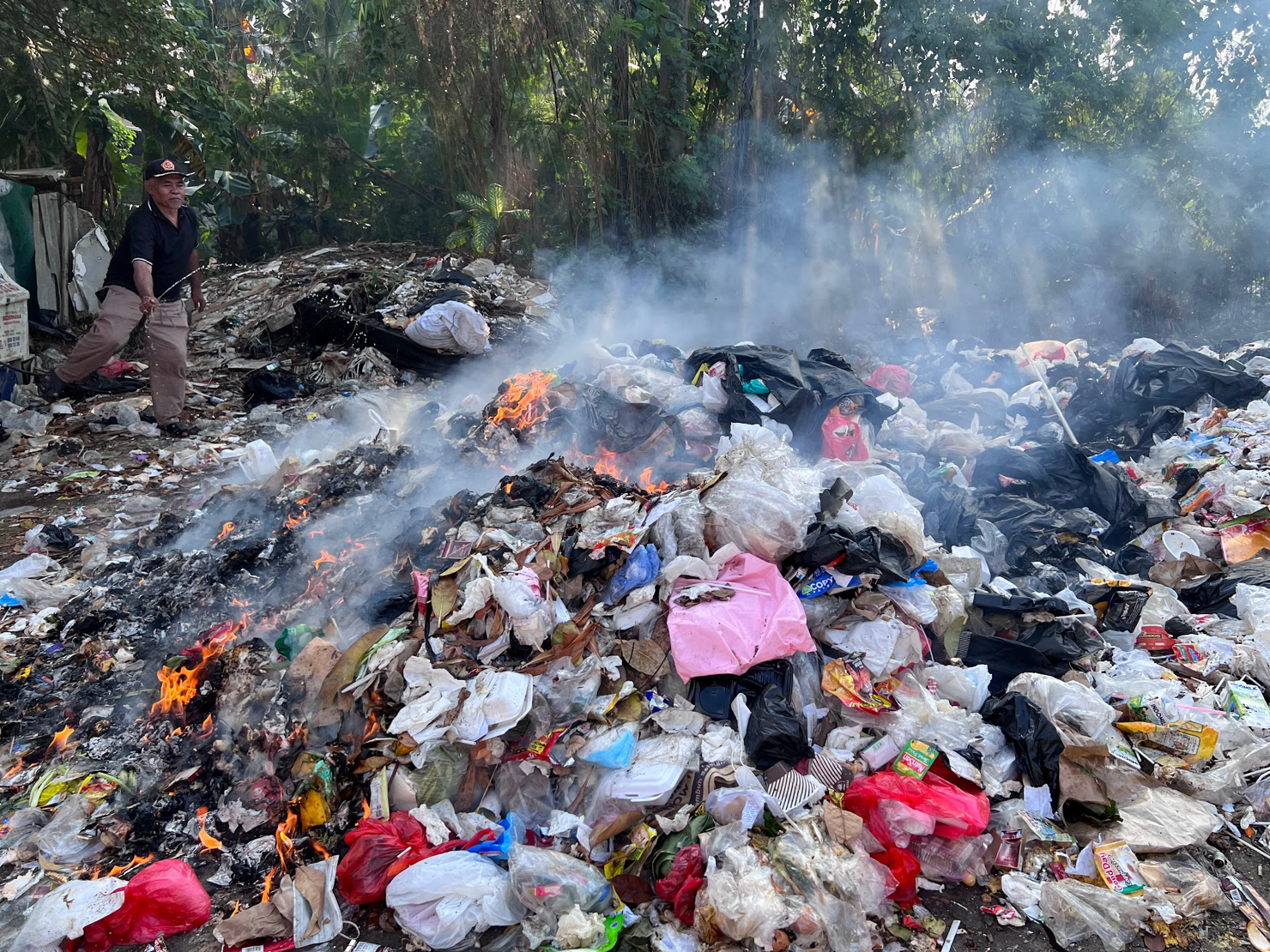
A lot of these initiatives started by building waste management infrastructure but failed to take into account the behavioral changes that were needed from the community members to make the supply chain work.
rePurpose set up Project Hara Kal in 2020 in Kerala - and we came at it from the outside in - instead of starting with buildings, we began by connecting with non-profits and community centers, local governments and self-help groups, spending months getting buy-in from the local residents. Getting their buy-in on why sorting and storing waste for curbside collection was not unhygienic and a worthwhile effort compared to dumping it or setting it on fire.
In just the last few years, Project Hara Kal has brought dependable waste management as a basic human right for over 600,000 people. But this important input metric, I am proud to say, also resulting in doubling the collection rate of low-value plastic across the entire state of Kerala with multiple other co-benefits.
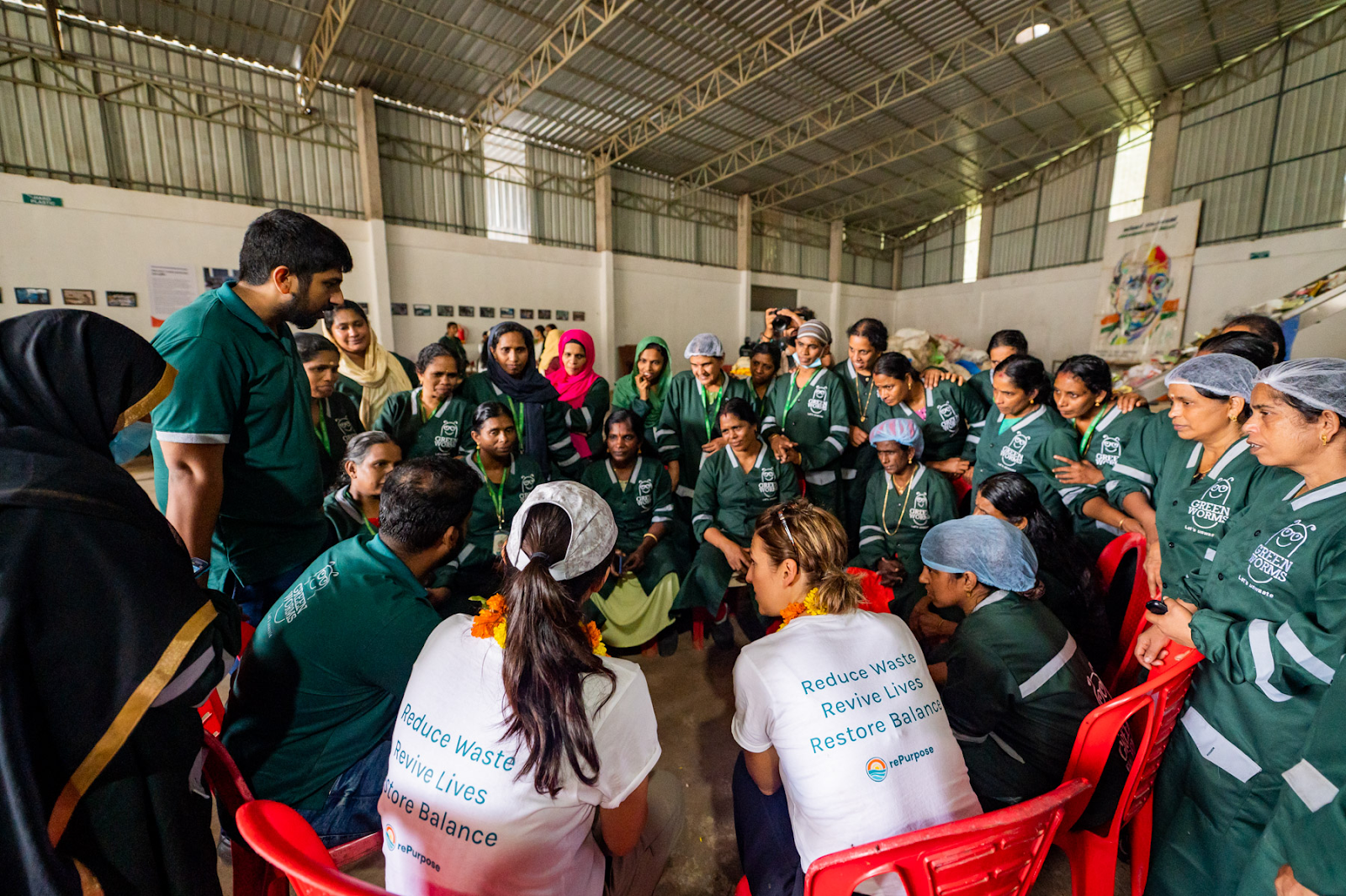
Environmental impact is often an output. But are we designing for people? How are you designing for communities?
3. Thinking global is thinking for the future.
Our ocean currents, our leaked packaging waste, they do not recognize international borders.
The global south - Asia, Africa, and South America - represent 85 percent of this planet’s population. So any design for a circular economy needs to be one that works universally.
I remember, when I was a young child, I was living in southern India at the time with my grandparents, I had picture day at school. And my grandmother wanted me to look good for it, so she went out to the store and bought a single 1 rupee sachet of shampoo (made out of unrecyclable multilaminate plastic packaging) - it was good for one use (and not reusable) - because on a public school teacher’s pension in rural India, at that moment she didn’t have the upfront capital in hand to buy a full bottle (which would have been made from more recyclable packaging).
These are the realities we must design for.
We need to integrate across all stakeholders, or else we will fail to achieve the kind of scale that we need.
4. Impact is not a zero sum game.
And my final point for today - we need radical collaboration over competition. Impact is not a zero sum game.
There is no single answer that will get us out of this mess, and we need to create the space for all solutions to co-exist in a balanced manner.
In the words of my wonderful friend Jon Smieja - We can’t meet the needs of a planet of more than 8 billion people and take sides against each other.
How we show up with each other, how we show up for each other, matters, with exponential ramifications for the future.
How will you spend this defining decade together?
Because the people in this room - you hold the keys to the floodgates of change and I wait - alongside billions of others whose lives your decisions will affect - we wait, to rejoice in the wave of change I hope you will create.Collaborate pre-competitively to align incentives.
Frequently Asked Questions (FAQ)
What does “the defining decade” mean for the circular economy?
Here, Svanika is referring to the period from 2025-2035 - the short period in which global investments, regulations, and product-design decisions will determine whether plastic pollution triples or declines by 90%.
How much investment is needed to end plastic waste leakage by 2040?
Research by rePurpose Global and Earth Action estimates about US $ 5.2 trillion, or 0.2 % of global GDP per year until 2040, across reduction, reuse, and recovery systems.
What is Project Hara Kal?
A rePurpose Global initiative in Kerala, India that built community-led waste-collection systems. The project has doubled recovery rates for low-value plastics and now serves 600,000 people.
Why must reuse be global?
Reuse systems designed only for high-income markets ignore 85% of consumers. Global reuse ensures equity, affordability, and scalable circularity.
How can companies act now?
- Quantify their packaging footprint to have a baseline against which they can measure progress.
- Invest in verified reduction, recovery and reuse initiatives.
- Share data with regulators to harmonize EPR implementation.
- Collaborate pre-competitively to align incentives.
Related posts

.avif)
.avif)
.jpg)