.jpg)
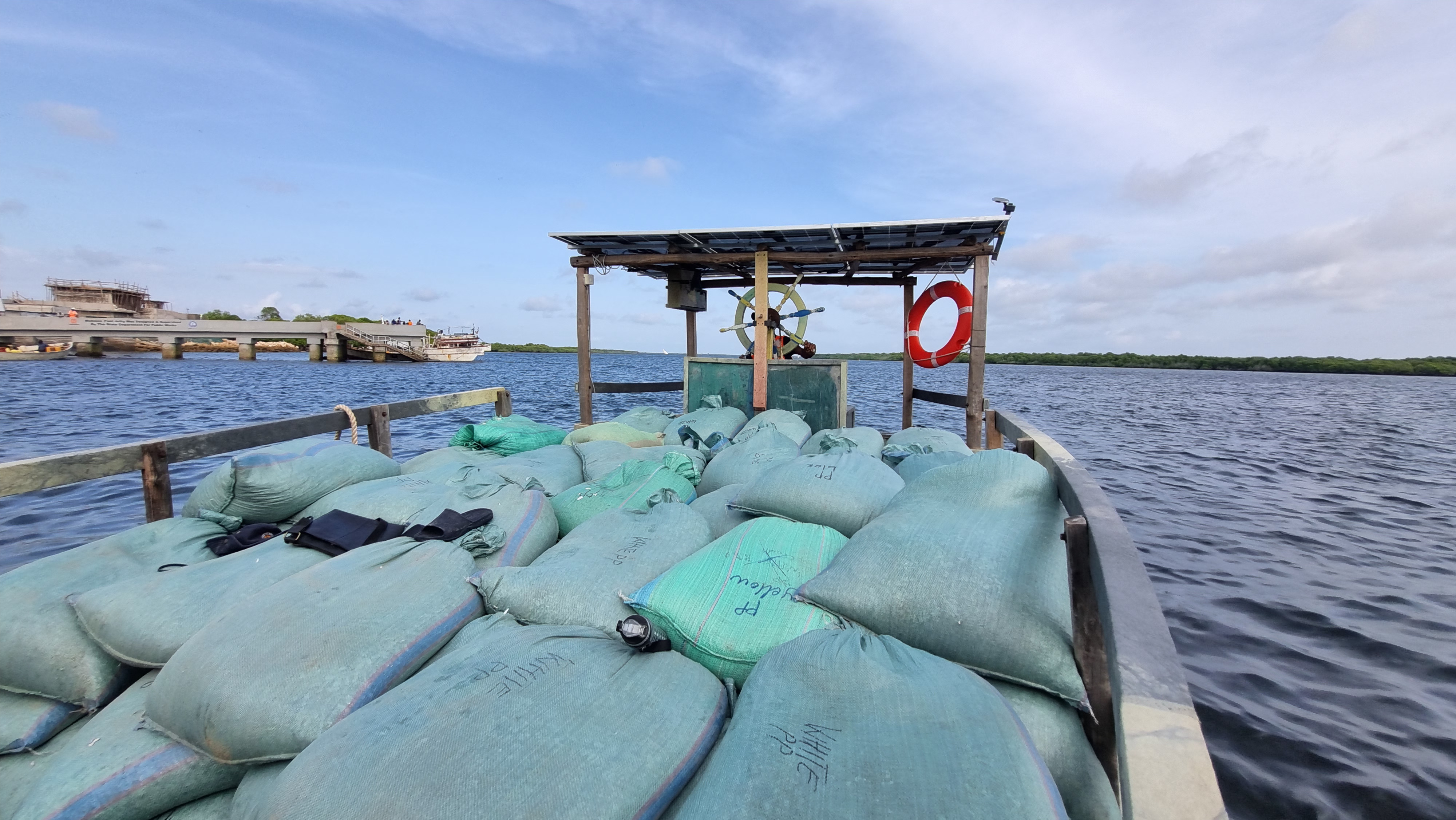
Along India's west coast, the state of Karnataka is home to one of the country's most ecologically significant coastlines — supporting fishing communities, coastal ecosystems, and hundreds of thousands of livelihoods. It is also facing a growing plastic waste crisis that no single intervention can solve.
On Earth Day 2026, Sattva Group and Knowledge Realty Trust, in partnership with rePurpose Global, launched the Karnataka Zero Waste Initiative — a long-term programme designed to strengthen community-led waste management systems that can be sustained over time.
The Problem Worth Taking Seriously
Plastic waste doesn't just wash up on beaches. It moves through communities, disrupts livelihoods, and accumulates in ecosystems long before it reaches the sea. For coastal Karnataka, the challenge is compounded by gaps in formal waste infrastructure — inadequate segregation, inconsistent collection, and limited processing capacity at source.
The result is a coastline under pressure. And a problem that requires more than awareness campaigns to fix.
The Initiative: Community-Led, Systems-First
The Karnataka Zero Waste Initiative is rooted in a straightforward conviction: lasting change doesn't come from the outside in. It comes from building systems that communities can own, operate, and sustain.
Over the next few years, the programme will:
- Connect 80,000+ households to formal waste management systems
- Integrate 50 coastal villages into structured collection and processing networks
- Support safer, more dignified livelihoods for waste workers along the coast
- Enable the responsible processing of 3.5-4.5 million kg of waste before it reaches the sea
The focus isn't just on collection. It's on behaviour change, awareness, and strengthening the infrastructure for better segregation and processing at source — the points where intervention matters most.
Commenting on the initiative, Shivam Agarwal, Vice President, Strategy, Sattva Group, said:
"Protecting Karnataka’s 320 Km coastline and addressing the growing challenge of waste is essential to sustaining the environment and improving the overall quality of life. Through the Karnataka Zero Waste Initiative, Sattva and Knowledge Realty Trust along with rePurpose, are enabling structured, community-led waste management systems that strengthen local practices while creating more secure and dignified livelihoods. With a strong focus on awareness and participation, the three-year initiative is designed to impact 80,000 households across 50 coastal villages, empower 200+ waste workers and deliver measurable improvements to build a cleaner, more resilient coastline for the state."
Why This Model Is Different
Many sustainability programmes struggle to translate ambition into local, measurable systems. The Karnataka Zero Waste Initiative is designed to bridge that gap.
It is rooted in Sattva's focus on responsible, community-centric ecosystems and aligned with Knowledge Realty Trust's sustainability vision. This programme places communities at the centre, not as beneficiaries, but as participants in building the systems they depend on.
What rePurpose Global Brings to This
As the impact partner, rePurpose Global brings programme design, implementation expertise, and accountability frameworks to help translate commitments into measurable, traceable outcomes.
For Sattva and Knowledge Realty Trust, that partnership means their sustainability vision is backed by systems designed to hold up over time.
“Solving plastic pollution requires more than short-term action — it requires strong systems, collaboration, and long-term leadership. It’s incredibly meaningful to see businesses like Sattva stepping forward with the ambition to invest in systems-led environmental solutions. Through this partnership, we have an opportunity not only to reduce plastic leakage and strengthen waste management systems locally, but also to help build a scalable model for circularity and environmental leadership that can extend far beyond Karnataka.” — Aditya Siroya, Co-Founder & Advisor, rePurpose Global
A Commitment Worth Watching
The Karnataka Zero Waste Initiative has just launched. The results — households connected, waste recovered, and livelihoods supported — will build over the years ahead.
But the foundation is already significant: 80,000+ households, 50 villages, and 3.5-4.5 million kg of waste targeted for recovery and responsible processing before it reaches the sea. It is a programme designed to protect a coastline that communities, businesses, and ecosystems depend on for the long term.
This is what corporate sustainability looks like when it's built to last.
Related posts

.avif)